

Why Tank Preparation is Non-Negotiable
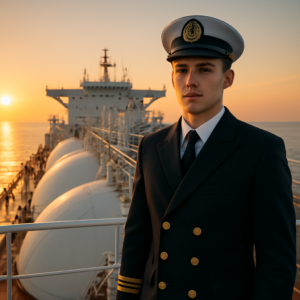 Imagine pouring a glass of ice-cold water into a scalding hot mug. The sudden temperature shock doesn’t just crack the ceramic—it shatters it. Now scale that up to a 150,000-cubic-meter LNG tank, where the stakes aren’t just a broken dish but catastrophic structural failure, explosions, or million-dollar losses. That’s why preparing an LNG tank isn’t just a box to tick—it’s the difference between a smooth operation and a disaster waiting to happen. And at the heart of this preparation? Two silent killers: moisture and oxygen.
The Invisible Threats Lurking in an Unprepared Tank
An empty LNG tank isn’t truly empty. It’s filled with ambient air—humid, oxygen-rich, and loaded with problems. Left unchecked, this air becomes a ticking time bomb for three major reasons:
- Ice Formation: The Brittle SaboteurWater vapor in the air doesn’t just disappear when LNG enters the tank—it freezes. At -162°C, even trace amounts of moisture turn into ice crystals that cling to tank walls, valves, and piping. Over time, this ice builds up like a glacier, blocking critical components. Worse, it creates stress points in the steel, making the tank more vulnerable to cracks. In 2013, a mid-sized LNG carrier in the Mediterranean suffered a valve failure during loading because ice had formed in the discharge line. The result? A costly delay and a near-miss with a pressure surge that could have ruptured the system.
- Corrosion: The Slow, Silent KillerOxygen doesn’t just sit idle—it reacts. When combined with residual moisture, it accelerates corrosion in the tank’s inner surfaces, particularly in areas where the protective coating may be thin or damaged. Over months or years, this corrosion weakens the tank’s structural integrity, increasing the risk of leaks or, in extreme cases, catastrophic failure. A 2018 report by the Maritime Accident Investigation Branch (MAIB) linked a minor LNG leak on a UK-flagged vessel to long-term corrosion in a poorly prepared tank. The repair costs? Over $2 million—and that was before accounting for lost charter time.
- Explosion Hazard: The Oxygen-Fuel CocktailHere’s the terrifying truth: LNG itself isn’t explosive. But mix its vapors with oxygen, add a spark or even a static discharge, and you’ve got a recipe for disaster. In 1999, a land-based LNG storage tank in Algeria exploded during a routine cooldown, killing 27 people. Investigators later determined that the tank hadn’t been properly inerted, leaving a volatile mix of oxygen and methane vapors. The blast was so powerful it registered on seismic monitors 50 kilometers away. This wasn’t a freak accident—it was a preventable tragedy.
More information on Life at Sea: Internet & Food Realities on LPG Ships
The Two-Phase Shield: Drying and Inerting
So how do you turn a tank from a potential deathtrap into a safe, controlled environment? The answer lies in a two-step process so meticulous it borders on ritual: drying and inerting. Skip either, and you’re playing Russian roulette with physics.
Phase 1: Drying – Banishing the Moisture Menace
Drying isn’t just about blowing air into the tank—it’s about removing every last drop of water before LNG even enters the picture. Here’s how it works:
- The Dry Air PurgeSpecialized air dryers—often using desiccant materials like silica gel—generate ultra-dry air with a dew point as low as -40°C. This air is pumped into the tank through the filling line, while the humid air is vented out through the mast riser. The goal? To drive the tank’s internal humidity down to near-zero levels.
- Monitoring the Dew PointOperators don’t just cross their fingers and hope for the best. They use dew point sensors to track moisture levels in real time. If the dew point starts creeping up, the drying process continues until the tank is certified bone dry. On a typical 170,000 m³ membrane tank, this can take 12 to 24 hours—but cutting corners here is like skipping the primer before painting a car. It might look fine at first, but the flaws will show.
In 2015, a floating storage and regasification unit (FSRU) in Brazil skipped the drying phase due to time constraints. Within hours of loading, ice had formed on the tank’s inner walls, jamming a critical safety valve. The crew had to abort the operation, vent the cargo, and spend three days re-drying the tank—costing the operator over $500,000 in demurrage fees alone.
Phase 2: Inerting – Replacing Oxygen with a Safety Blanket
Drying removes the moisture, but the tank is still filled with air—21% oxygen, just waiting to react. That’s where inerting comes in. The process replaces the air with an inert gas, typically nitrogen or a CO₂-rich mixture, to create an atmosphere where combustion simply can’t happen.
- The Inert Gas SourceMost LNG carriers and terminals use nitrogen generators or onboard inert gas systems (IGS) to produce the required gas. For large tanks, this can mean pumping in thousands of cubic meters of inert gas over several hours. The gas is introduced at the bottom of the tank, displacing the oxygen-rich air upward and out through the vent mast.
- Oxygen Monitoring: The 2% RuleInerting isn’t complete until the oxygen level in the tank drops below 2%. At this concentration, even a spark won’t ignite the atmosphere. Operators use oxygen analyzers to verify the levels, often taking multiple samples from different heights in the tank to ensure uniformity. In 2019, a Qatari LNG carrier failed an oxygen test during pre-loading checks. The crew discovered a faulty valve had allowed air to leak back into the tank. Had they proceeded without catching it, the results could have been catastrophic.
Inerting doesn’t just prevent explosions—it also protects the tank’s material. Cryogenic steel is designed to handle extreme cold, but it’s not invincible. Oxygen can cause embrittlement, where the metal becomes more prone to cracking under stress. By removing oxygen, inerting extends the tank’s lifespan and reduces the risk of brittle fracture, a failure mode that’s both sudden and devastating.
Real-World Lessons: When Preparation Fails
Theory is one thing; reality is another. History is littered with incidents where skipped or botched tank preparation led to near-disasters—or worse. Here are three cases that prove why this process is non-negotiable.
- The Skikda Disaster (2004, Algeria)One of the deadliest LNG accidents in history began with a failed inerting process. A liquefaction train at the Skikda plant was being restarted after maintenance when a gas leak ignited, triggering a series of explosions. Investigators found that the inert gas system had been improperly maintained, allowing air to mix with hydrocarbon vapors. The blast killed 27 people, injured 74, and caused over $1 billion in damages. The lesson? Inerting isn’t a one-time event—it’s a continuous safeguard that must be monitored and maintained.
- The Methane Princess Incident (1965, UK)Before modern safety protocols, LNG tankers operated with far fewer precautions. The Methane Princess, one of the world’s first LNG carriers, suffered a tank rupture during loading because the tank hadn’t been properly dried. Moisture in the air froze on the tank walls, creating stress points that gave way under pressure. While no lives were lost, the incident led to a complete overhaul of LNG tank preparation standards—standards that are still in place today.
- The Near-Miss in Sabine Pass (2016, USA)A routine cooldown at the Sabine Pass LNG terminal turned into a race against time when operators noticed ice forming on the tank’s outer shell. The root cause? A malfunctioning air dryer had left residual moisture in the tank. The crew had to halt operations, vent the cargo, and spend 36 hours re-drying the tank. While the incident was contained, it served as a stark reminder: there are no shortcuts in LNG preparation.
The Controlled Environment: Where Safety Meets Precision
By the time drying and inerting are complete, the tank isn’t just empty—it’s a controlled environment, primed for LNG transfer. Here’s what that means in practice:
- Thermal StabilityA dry, inerted tank can handle the thermal shock of LNG without risking brittle fracture. The gradual cooldown process (which we’ll cover in the next chapter) relies on this stability. Without it, the tank’s steel would contract too quickly, leading to cracks or, in extreme cases, catastrophic failure.
- Pressure ControlInert gas doesn’t just displace oxygen—it also stabilizes pressure inside the tank. During loading, LNG vapors displace the inert gas, but the inert atmosphere ensures that the pressure never reaches dangerous levels. This is critical for preventing over-pressurization, which can rupture relief valves or even the tank itself.
- Contamination PreventionMoisture and oxygen aren’t just safety hazards—they’re contaminants. Ice can clog filters and valves, while oxygen can react with LNG to form acidic compounds that corrode piping. A properly prepared tank is a clean slate, ensuring that the LNG remains pure and the equipment stays functional.
In the high-stakes world of LNG, preparation isn’t just a step in the process—it’s the foundation of every safe operation. Skip it, and you’re not just risking equipment; you’re gambling with lives, the environment, and the bottom line. And in an industry where a single mistake can cost hundreds of millions, that’s a bet no one can afford to take.