

Key Similarities and Differences Between LPG and LNG Vessels
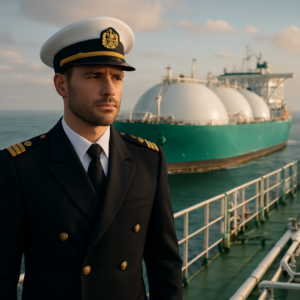 At first glance, LPG (liquefied petroleum gas) and LNG (liquefied natural gas) carriers might seem nearly identical—both transport cryogenic cargoes, rely on sophisticated containment systems, and demand rigorous safety standards. But beneath the surface, the operational realities of these vessels diverge in ways that shape everything from crew training to emergency response. For officers and engineers transitioning from LPG to LNG, understanding these nuances isn’t just academic; it’s the difference between a smooth adaptation and a steep learning curve.
The Cargo: More Than Just a Different Gas
The most obvious distinction lies in the cargo itself. LPG—primarily propane and butane—is stored at temperatures around -42°C to -0.5°C, depending on the mixture, while LNG (mostly methane) requires far colder conditions, typically -162°C. This extreme temperature difference isn’t just a number on a gauge; it dictates the entire design philosophy of the vessel.
- Containment Systems:
- LPG carriers often use Type A, B, or C tanks, with Type C being the most common for pressurized or semi-pressurized vessels. These tanks are designed to handle moderate cryogenic temperatures and are often constructed from high-strength carbon steel or stainless steel.
- LNG carriers, on the other hand, rely on membrane or spherical (Moss) tanks, which are engineered to withstand the thermal stresses of ultra-low temperatures. Membrane tanks, for instance, use a thin, corrugated stainless steel or invar layer supported by insulation, while Moss tanks are self-supporting spheres made of aluminum alloy.
- Boil-Off Gas (BOG) Management:Here’s where the differences become operationally critical. LPG vessels generate minimal boil-off gas due to their higher storage temperatures, and what little BOG is produced can often be reliquefied or used as fuel without major complications. LNG, however, is a different beast. Methane’s low boiling point means boil-off is inevitable—and managing it is a constant balancing act.
- On LNG carriers, BOG is typically used as fuel for the vessel’s engines (a practice known as gas combustion) or reliquefied using onboard systems. This introduces a layer of complexity absent on most LPG ships, where BOG management is less of a daily concern.
- For officers transitioning from LPG to LNG, this shift demands a new mindset. Suddenly, cargo operations aren’t just about loading and discharging; they’re about dynamic energy management, where every decision—from tank pressure to engine load—affects the vessel’s efficiency and safety.
More information on Switching to LPG Tankers: A Starter’s Roadmap
Propulsion Systems: From Steam to Dual-Fuel
If cargo handling is the heart of these vessels, propulsion is the muscle—and here, the differences between LPG and LNG carriers are stark. Historically, LNG carriers were dominated by steam turbine propulsion, a legacy of the industry’s early days when boil-off gas was simply burned in the boilers. LPG vessels, meanwhile, have long favored diesel engines, either conventional or dual-fuel (DF) variants capable of running on both liquid fuel and gas.
- Steam Turbines (Steam):Once the gold standard for LNG carriers, steam turbines are now a dying breed, though they still exist on older vessels. Their operation is a world apart from diesel engines:
- Steam plants rely on a closed-loop system where boil-off gas is burned to generate steam, which then drives the turbines. This setup is elegant in its simplicity but notoriously inefficient, with thermal efficiencies often below 30%.
- For engineers with LPG experience, the shift to steam can feel like stepping into a time machine. There’s no direct injection of fuel, no common rail systems—just a labyrinth of boilers, condensers, and turbines that demand a deep understanding of thermodynamics and steam cycles.
- That said, steam experience is highly valued in the LNG sector. Companies like Nakilat and Shell have historically favored officers with steam backgrounds, even if it means taking a temporary step back in rank to get them up to speed.
- Dual-Fuel (DF) and Gas-Injection Engines:The modern LNG fleet is increasingly powered by dual-fuel engines, particularly the ME-GI (MAN Energy Solutions) and X-DF (WinGD) models. These engines can run on both liquid fuel (HFO or MGO) and natural gas, offering flexibility and improved efficiency. LPG carriers, too, have adopted DF technology, but the implementation differs:
- On LPG vessels, DF engines typically run on propane or butane, which have different combustion characteristics than methane. The lower methane number of LPG (around 30-40) compared to LNG (around 80-100) means engines must be tuned differently to avoid knocking or misfiring.
- LNG carriers, however, face the added challenge of gas quality variability. Methane content can fluctuate depending on the source, and engines must be able to handle these variations without performance issues. This is less of a concern on LPG vessels, where cargo composition is more consistent.
- For officers with DF experience on LPG carriers, the transition to LNG is often smoother—but it’s not plug-and-play. The control systems, fuel gas supply units (FGSS), and safety interlocks on LNG vessels are more complex, reflecting the higher risks associated with methane.
Safety Protocols: Where LNG Raises the Stakes
Both LPG and LNG carriers operate under the International Code for the Construction and Equipment of Ships Carrying Liquefied Gases in Bulk (IGC Code), but the safety protocols on LNG vessels are, in many ways, more stringent. The reasons are twofold: the extreme cryogenic temperatures of LNG and the highly flammable nature of methane.
- Cryogenic Risks:While LPG is cold, LNG is brutally cold. A spill of LNG on steel deck plating can cause brittle fracture, where the metal loses its structural integrity and shatters like glass. This is a risk that LPG officers rarely encounter, and it demands a different approach to:
- Personal Protective Equipment (PPE): On LNG vessels, crew must wear cryogenic-rated gloves, face shields, and aprons when working near cargo systems. LPG vessels, while still requiring PPE, don’t demand the same level of protection.
- Emergency Response: LNG spills require immediate action to prevent structural damage. Crews must be trained in rapid cooldown procedures for equipment and containment strategies to limit the spread of liquid.
- Gas Detection and Inerting:Methane is lighter than air and disperses quickly, but it’s also odorless and highly explosive in concentrations between 5% and 15%. LPG, while flammable, is heavier than air and tends to pool, making detection and ventilation strategies different:
- LNG vessels are equipped with fixed gas detection systems that monitor for methane leaks in real time, often with infrared sensors that can detect gas at very low concentrations.
- Inerting systems on LNG carriers are more sophisticated, often using nitrogen or carbon dioxide to maintain cargo tank atmospheres below the flammability limit. LPG vessels, while also inerted, typically use simpler systems.
- Firefighting:Fighting a fire on an LNG carrier is a high-stakes operation. Methane fires burn hotter and faster than LPG fires, and the risk of boil-over—where a sudden release of vapor causes the fire to intensify—is ever-present. Crews must be trained in:
- High-expansion foam systems, which are more effective at smothering LNG fires than the dry chemical systems often used on LPG vessels.
- Water curtain deployment to protect adjacent tanks and structures from radiant heat.
Regulatory and Operational Nuances
The regulatory landscape for LNG carriers is, in many ways, more complex than for LPG vessels. This isn’t just about compliance; it’s about understanding how regulations shape day-to-day operations.
- Port Restrictions and Terminal Requirements:LNG terminals are often subject to stricter security and safety protocols than LPG facilities. Many LNG ports require:
- Pre-arrival briefings with terminal operators, where cargo plans, emergency procedures, and security measures are reviewed in detail.
- Escort vessels during transit in congested or sensitive areas, a requirement rarely seen for LPG carriers.
- Dedicated mooring masters to assist with berthing, reflecting the higher risks associated with LNG operations.
- Training and Certification:While both LPG and LNG officers must hold STCW endorsements for liquefied gas tankers, LNG-specific training is more rigorous. Key differences include:
- Advanced Firefighting (AFF): LNG officers often undergo additional training in cryogenic fire scenarios, including the use of high-expansion foam and water curtains.
- Boil-Off Gas Management: Unlike LPG, where BOG is less of a concern, LNG officers must be proficient in gas combustion units (GCUs), reliquefaction plants, and dynamic pressure control.
- Terminal-Specific Training: Many LNG terminals require officers to complete terminal-specific safety courses before they’re allowed to load or discharge. These courses cover everything from emergency shutdown procedures to the unique hazards of the terminal’s infrastructure.
- Environmental Regulations:LNG carriers operate under stricter emissions controls, particularly in regions like the EU and North America. The MARPOL Annex VI regulations, for example, impose limits on NOx, SOx, and CO₂ emissions, which are more easily met by LNG’s cleaner-burning fuel. LPG vessels, while also subject to these rules, often rely on scrubbers or low-sulfur fuels to comply, adding another layer of operational complexity for LNG crews.
Why LPG Experience Transfers Well—And Where It Falls Short
For officers with a background on LPG carriers, the transition to LNG isn’t a leap into the unknown—it’s more like moving from a well-trodden path to a slightly steeper, more technical trail. The foundational skills are there: cargo handling, safety awareness, and familiarity with cryogenic systems. But LNG introduces challenges that even seasoned LPG officers must prepare for.
- Where LPG Experience Shines:
- Cargo Operations: The principles of loading, discharging, and tank cleaning are similar. Officers with LPG experience already understand pressure control, temperature management, and the importance of inerting—skills that translate directly to LNG.
- Safety Culture: LPG vessels operate under a high-hazard mindset, where safety is non-negotiable. This culture is even more critical on LNG carriers, where the stakes are higher.
- Propulsion Familiarity: Officers with experience on DF engines or steam turbines on LPG carriers have a head start. The mechanical and operational principles are similar, even if the fuel and systems are more complex.
- The LNG-Specific Challenges:
- Boil-Off Gas Management: This is the single biggest adjustment for LPG officers. On LNG carriers, BOG isn’t just a byproduct—it’s a critical operational variable that affects everything from fuel consumption to cargo quality. Officers must learn to balance BOG production with engine demand, reliquefaction capacity, and terminal requirements.
- Cryogenic Risks: The extreme temperatures of LNG introduce hazards that LPG officers rarely face, from brittle fracture to rapid phase transition (RPT), where LNG comes into contact with water and vaporizes explosively.
- Regulatory Complexity: LNG carriers operate in a more tightly regulated environment, with additional reporting requirements, terminal-specific rules, and stricter emissions controls. Officers must be comfortable navigating this landscape.
- Terminal Operations: LNG terminals are often more technically demanding than LPG facilities. Officers must be prepared for longer pre-arrival checks, more detailed cargo plans, and stricter security protocols.
For companies like Nakilat, which often hire LPG officers with the intention of “breaking them in” on LNG vessels, this transition period is seen as an investment. The logic is sound: an officer with LPG experience already understands the core principles of gas shipping. With targeted training and mentorship, they can quickly adapt to the unique demands of LNG—even if it means starting in a lower rank to gain the necessary experience.