
Wednesday, August 26
Shadow

Author: Дмитрий

Autonomous Maritime Systems: Dual-Edged Solutions for Port Security

Latest
Emerging Role of Autonomous Vessels in Port DefensePort authorities worldwide are integrating autonomous maritime systems as a strategic response to evolving security challenges. These advanced platforms offer enhanced surveillance, rapid threat detection, and adaptive response capabilities in high-risk environments.Operational Advantages in High-Threat ScenariosRecent incidents, including the December 2022 report by Ukraine's Security Service, underscore the growing sophistication of maritime threats. Autonomous systems provide:24/7 persistent monitoring of port approaches and critical infrastructureAI-driven anomaly detection with reduced false-positive ratesScalable defense networks that adapt to emerging threat vectorsPrecision engagement capabilities for neutralizing hostile autonomou...
U.S. Congressman Tom Suozzi Addresses Webb Institute’s 2026 Naval Architecture and Marine Engineering Graduates

Latest
Webb Institute Honors Class of 2026 in Naval Architecture and Marine EngineeringThe Webb Institute marked a significant milestone this week with the commencement of its latest cohort of naval architects and marine engineers, equipping the maritime and defense sectors with highly skilled professionals.U.S. Representative Thomas Suozzi delivered the keynote address, underscoring the critical role of Webb Institute graduates in advancing America’s maritime capabilities. His remarks highlighted the growing demand for expertise in ship design, offshore engineering, and sustainable marine technologies—fields where Webb alumni continue to make an impact.Preparing the Next Generation of Maritime LeadersThe Class of 2026 joins a distinguished legacy of Webb graduates who have contributed to naval i...

Strait of Hormuz Sees Gradual Resumption of Tanker Traffic

Latest
Tanker Movements Indicate Partial Recovery in Hormuz TransitProfessional mariners will note that vessel tracking data confirms a cautious return of oil and LNG tankers to the Strait of Hormuz on Monday, following Tehran’s weekend announcement of a temporary closure.The resumption, though still below pre-incident levels, suggests that operators are re-establishing transit patterns after Iranian naval exercises concluded.Key ObservationsVessel Types: Both crude oil carriers and liquefied natural gas tankers were observed transiting the channel.Traffic Density: While increased, throughput remains reduced compared to baseline averages.Operational Caution: Masters are maintaining heightened situational awareness and adhering to BMP5 protocols.Industry sources report that no further disruptions ...

ICS Board Names John Denholm as New Chairman

Latest
Industry Veteran Takes Helm at Global Shipping BodyThe International Chamber of Shipping (ICS) has confirmed John Denholm CBE as its new Chairman following a unanimous vote by the Board of Directors.The appointment was finalised during the ICS Annual General Meeting, convened at Palazzo Valentini in Rome. Denholm succeeds Esben Poulsson, who completed his term after leading the organisation through a period of regulatory and operational challenges.Denholm brings over four decades of maritime experience to the role, having served as President of the UK Chamber of Shipping and as a director of Denholm-Yardley Ltd. His leadership is expected to guide the ICS through ongoing negotiations on decarbonisation, digitalisation, and crew welfare standards.Key priorities under Denholm’s chairmanship:...

Crude Prices Retreat 4% on Eased Geopolitical Tensions in Hormuz Chokepoint

Latest
Market Reaction to Diplomatic ProgressGlobal crude benchmarks corrected sharply during early European trading on Monday after senior U.S. officials reported tangible progress in negotiations with Tehran and confirmed unimpeded transit through the Strait of Hormuz.By 11:44 a.m. London time, front-month Brent futures had shed $3.18, or 3.95 percent, settling at $77.39 per barrel.Supply Risk Premium EvaporatesThe price decline reflects a rapid unwinding of the geopolitical risk premium that had been priced into the market following recent escalations in the Persian Gulf. U.S. Vice President JD Vance stated that diplomatic channels remain open and that no immediate threat to commercial shipping in the critical chokepoint has been detected.Analysts note that the Strait of Hormuz handles approxi...

DNV Releases Industry Guidance for Onboard Carbon Capture and Storage Systems

Latest
New Recommended Practice Aims to Standardize OCCS ImplementationClassification society DNV has introduced a Recommended Practice (RP) to establish a consistent framework for evaluating the performance of onboard carbon capture and storage (OCCS) systems in maritime operations.The newly published guidance provides shipowners, operators, and technology developers with a structured approach to measurement, reporting, and verification (MRV) of captured carbon emissions. This initiative is expected to accelerate the adoption of OCCS solutions by addressing key technical and operational challenges.Key focus areas of the RP include:Performance benchmarking for OCCS installationsSafety and compliance considerationsIntegration with existing vessel systemsVerification protocols for captured carbon v...

U.S. Treasury Grants Broad Sanctions Waiver for Iranian Oil Trade

Latest
Temporary Relief for Maritime Sector as U.S. Eases Iran Oil RestrictionsThe U.S. Treasury Department has issued a comprehensive sanctions waiver, permitting the temporary production, sale, and transportation of Iranian crude oil. This move represents a significant shift from the previous "maximum pressure" policy, which had imposed stringent restrictions on Iran’s energy exports.The waiver, effective immediately, allows select transactions involving Iranian oil to proceed under specific conditions. Industry analysts note that this decision may alleviate supply chain pressures in global oil markets, particularly for vessels and operators engaged in Middle Eastern trade routes.Key Implications for Seafarers and Shipping CompaniesOperational Flexibility: Certain tankers and commercial vessels...

OCIMF Welcomes Don Davis as Managing Director Amid Strategic Evolution

Latest
Leadership Transition Aligns with OCIMF’s Expanded Safety MandateThe Oil Companies International Marine Forum (OCIMF) has appointed Don Davis as its new Managing Director, effective immediately. Davis assumes the role as the organisation advances its strategic realignment, reinforcing its commitment to maritime safety, environmental protection, and operational integrity across the global energy shipping sector.With a career spanning over three decades in maritime operations, regulatory compliance, and industry advocacy, Davis brings a wealth of technical and leadership experience to OCIMF. His appointment follows a period of organisational transformation, during which OCIMF refined its mission to address emerging challenges in vessel safety, crew welfare, and risk management within the evo...

Iran Intensifies Crude Oil Exports Through Strait of Hormuz Amid Diplomatic Progress

Latest
Increased Export Activity Observed in Key Maritime ChokepointRecent maritime intelligence reports indicate a significant uptick in Iranian crude oil exports transiting the Strait of Hormuz, reaching levels not seen since the onset of regional hostilities. This surge in shipping activity coincides with ongoing diplomatic engagements between Tehran and Washington aimed at establishing a durable peace agreement.The Strait of Hormuz, a critical artery for global oil transportation, has witnessed heightened vessel traffic as Iranian tankers resume more frequent voyages. Industry analysts suggest that this development may reflect a strategic shift in Iran’s export operations, potentially signaling renewed confidence in maritime security along the route.Operational Considerations for SeafarersEnh...
The World of Gas Carriers: Shipping Liquefied Gases

The World of Gas Carriers: Shipping Liquefied Gases

Gas Carriers
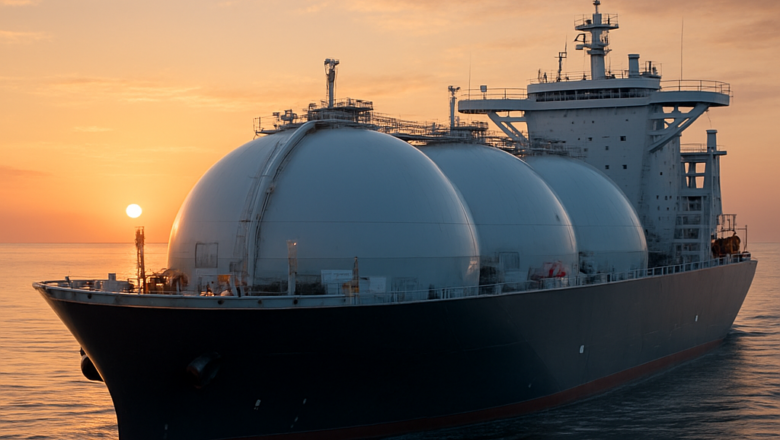
Why Liquefy Gases for Transport? The decision to liquefy gases before loading them onto ships isn’t just a matter of convenience—it’s a game-changer for the entire energy industry. At its core, liquefaction solves one of the most fundamental challenges of gas transport: volume. Gases, by their nature, occupy vast amounts of space at standard temperature and pressure. Take methane, the primary component of natural gas. In its gaseous state, one cubic meter of methane at room temperature and atmospheric pressure would require a container roughly the size of a small car to hold just 0.7 kilograms of the substance. But when cooled to -162°C (-260°F), that same cubic meter of liquefied natural gas (LNG) can hold a staggering 450 kilograms of methane—a volume reduction of about 600 times. For li...