

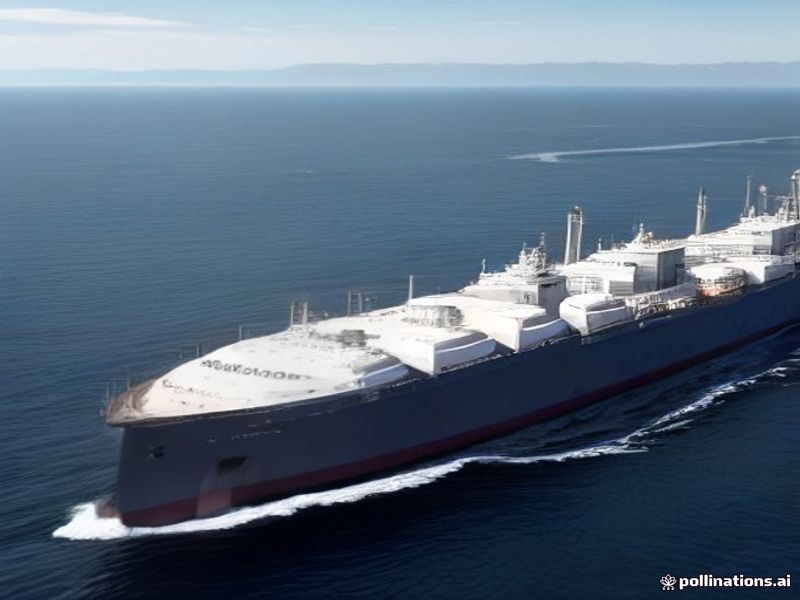
Understanding Vessel Categories in the Gas Carrier Sector
The specialized gas shipping segment offers maritime professionals diverse technical challenges across different vessel configurations. Pursuing professional gas carrier jobs requires recognizing the distinct engineering principles governing each hull and tank design. From coastal coasters to deep-sea energy haulers, the fleet is categorized into four primary segments:
- Fully Pressurized LPG (3,000 – 10,000 DWT): Transports propane and butane at ambient temperatures under pressures up to 18 bar in Type C cylindrical tanks. Frequent port rotations (often 20+ calls per month) make this fleet an active entry point for junior officers.
- Semi-Refrigerated & Ethylene Carriers (LEG, 5,000 – 25,000 DWT): Features Cascade refrigeration plants and bi-lobe Type C tanks capable of carriage down to -104°C. Fleets managed by Navigator Gas and Anthony Veder frequently handle petrochemical butadiene and VCM.
- Very Large Gas Carriers (VLGC, 50,000 – 90,000 DWT): Fully refrigerated vessels with prismatic Type A tanks, carrying LPG at atmospheric pressure (-48°C). Check current opportunities in LPG tanker jobs.
- Very Large Ethane Carriers (VLEC, ~96,000 cbm): Hybrid vessels featuring membrane containment tanks carrying ethane at -90°C powered by WinGD X-DF engines (e.g. BSM takeover of ADNOC newbuilds in China).
- LNG Carriers (140,000 – 260,000 cbm): Cryogenic giants carrying methane at -162°C. Explore vacancies in LNG tanker jobs.
Cargo Thermodynamic and Operational Demands
Each cargo presents specific operational demands. Carrying anhydrous ammonia (NH3) requires specialized BA sets and manifold water spray curtains. In contrast, carrying butadiene requires monitoring dimerization, and vinyl chloride monomer (VCM) mandates closed gauging and strict vapor detection due to carcinogen hazards.
Career Progression Across Fleet Types
Junior deck and engine officers frequently begin on pressurized coasters or legacy semi-ref units before progressing to VLGCs or transitioning to LNG. Engineering officers can follow the progression detailed in our guide on Second Engineer LPG jobs. Verified vacancies can be explored through accredited LPG crewing companies, while pre-joining compliance is confirmed via our gas tanker vacancy checklist.