

The Silent Threat: What Makes VCM and Butadiene So Deadly
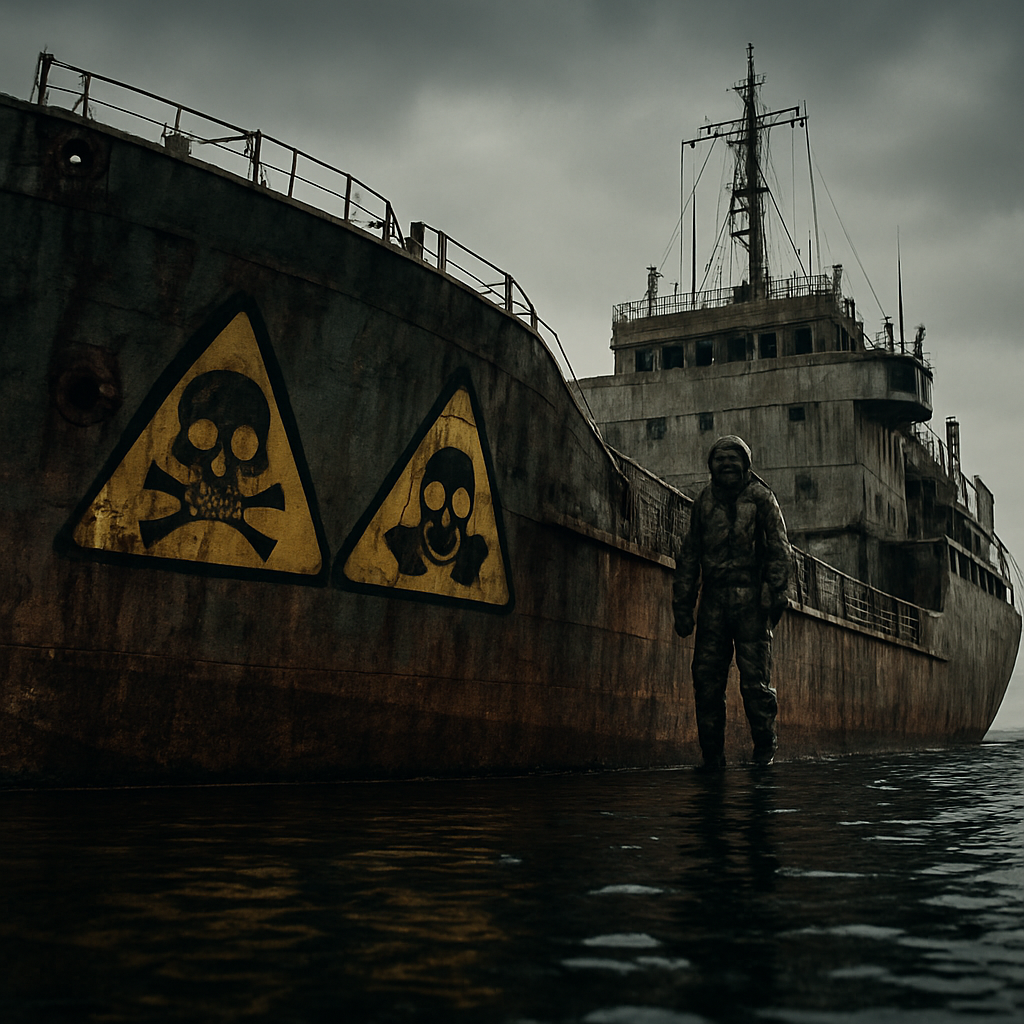 There’s a reason veteran seamen call it the “invisible killer.” Vinyl chloride monomer (VCM) and 1,3-butadiene don’t announce their presence with the acrid bite of chlorine or the suffocating cloud of ammonia. Instead, they slip into the air—colorless, nearly odorless at dangerous concentrations—and begin their work long before anyone realizes something is wrong. These aren’t just hazardous chemicals; they’re systemic poisons, designed by industry to build everything from PVC pipes to synthetic rubber, yet utterly indifferent to the bodies they corrupt along the way.
The Chemistry of Harm: Why These Gases Don’t Play Fair
At room temperature, VCM is a volatile liquid that evaporates quickly, releasing a faint, sweetish odor—deceptively mild, like the scent of a hardware store’s plumbing aisle. But don’t let the lack of immediate alarm fool you. VCM is a halogenated hydrocarbon, meaning it contains chlorine atoms that make it both highly reactive and fat-soluble. Once inhaled, it doesn’t just pass through the lungs; it dissolves into cell membranes, disrupting DNA replication and triggering mutations. The Occupational Safety and Health Administration (OSHA) sets the permissible exposure limit at just 1 part per million (ppm) over an 8-hour workday—an amount so small that even a faint whiff can push you over the edge.
Butadiene, meanwhile, is a different beast. A conjugated diene, it’s even more volatile than VCM, boiling at a mere -4.4°C (24°F). This means it’s almost always a gas under normal conditions, seeping from storage tanks, leaking through faulty valves, or off-gassing from contaminated cargo holds. Like VCM, it’s a known human carcinogen (IARC Group 1), but its real danger lies in its metabolites. When the body processes butadiene, it produces epoxides—highly reactive compounds that bind to DNA, causing breaks and cross-links that lead to cancer. The National Institute for Occupational Safety and Health (NIOSH) recommends an exposure limit of 2 ppm, but studies suggest that even levels below this can increase leukemia risk over time.
What makes both gases particularly insidious is their bioaccumulation. Unlike carbon monoxide, which flushes out of the body within hours, VCM and butadiene (or their toxic byproducts) linger. VCM, for instance, is metabolized into chloroethylene oxide and chloroacetaldehyde—compounds that bind to proteins and DNA, persisting in the liver, kidneys, and bone marrow for years. Butadiene’s epoxides do the same, embedding themselves in cellular machinery and setting the stage for latent disease—cancers that may not appear until decades after exposure.
More information on Fake Gas Carrier Jobs: How to Spot Scams & Avoid Fraud
How Exposure Happens: The Three Paths to Poisoning
On a ship carrying VCM or butadiene, danger isn’t confined to a single moment of catastrophe. It’s in the daily grind—the slow, unseen accumulation of risk that turns a routine voyage into a ticking time bomb. Exposure happens in three primary ways, each with its own set of hazards:
- Inhalation (The Invisible Cloud)The most common route—and the hardest to avoid. Both VCM and butadiene are heavier than air, meaning they pool in low-lying areas: cargo holds, bilges, poorly ventilated engine rooms. A sailor might walk through a seemingly clear space, only to inhale a concentrated pocket of gas that’s settled overnight. On older vessels like the Erasmus or Seahawk, where ventilation systems are often outdated or poorly maintained, these pockets can persist for hours. Even a brief exposure—say, during a routine inspection of a cargo tank—can deliver a dose that exceeds safe limits.
Worse, the gases don’t always announce themselves. VCM’s odor threshold is around 3,000 ppm—three thousand times the permissible exposure limit. By the time you smell it, you’ve already inhaled a dangerous amount. Butadiene is slightly more detectable (odor threshold ~1.6 ppm), but in the noisy, fume-filled environment of a ship, even that warning can be missed.
- Skin Contact (The Slow Burn)Both chemicals can be absorbed through the skin, though this is less common than inhalation. VCM, in particular, is a lipophilic compound, meaning it dissolves easily in fats—including the oils in human skin. A spill on gloves, coveralls, or bare hands can lead to systemic absorption, especially if the exposure is prolonged. Butadiene, while less studied for dermal exposure, is still a concern; its volatility means it can evaporate from contaminated surfaces, leaving behind a residue that continues to off-gas.
On ships, this risk is amplified by the lack of proper decontamination protocols. Crew members might handle contaminated equipment or walk through spills without realizing the danger, carrying the chemicals with them into living quarters or mess halls. Over time, even low-level skin exposure can contribute to the body’s toxic burden.
- Leaks and Catastrophic Releases (The Sudden Storm)This is the scenario that makes headlines: a ruptured pipeline, a failed valve, a cargo tank breach. When VCM or butadiene escapes in large quantities, the results can be instantly deadly. In 2004, a railcar carrying VCM derailed in Graniteville, South Carolina, releasing a cloud of gas that killed nine people and hospitalized over 250. The initial explosion was violent, but the real damage came from the invisible plume that drifted through the town, exposing residents to concentrations high enough to cause acute respiratory distress and long-term neurological damage.
On ships, leaks are often slower but no less dangerous. A pinhole in a cargo line, a faulty seal on a valve, or a crack in a tank’s insulation can release gas over hours or days, creating a persistent hazard that’s difficult to detect until symptoms appear. In 2018, the MV Cheshire suffered a cargo fire involving butadiene, forcing the crew to abandon ship. While no one died in the incident, the long-term health effects on the sailors—who were exposed to both the gas and its combustion byproducts—remain a concern.
The Long Game: How These Gases Rewrite Your Biology
The cruelest trick VCM and butadiene play is their delayed onset of symptoms. Unlike hydrogen sulfide, which causes immediate unconsciousness, or ammonia, which burns the lungs on contact, these gases don’t always trigger an immediate reaction. A sailor might inhale a dangerous dose of VCM and feel nothing—no dizziness, no nausea, no coughing. But beneath the surface, the damage has already begun.
Here’s what happens over time:
- Acute Exposure: The Body’s First Warning (Or Lack Thereof)At high concentrations, VCM can cause narcosis—a drunken, disoriented state that impairs judgment and coordination. Sailors have reported feeling “woozy” or “out of it” after entering a contaminated hold, only to realize later that they’d been exposed to levels far above safe limits. Butadiene, meanwhile, can irritate the eyes, nose, and throat, but these symptoms are often dismissed as “just another fume” in an environment already thick with diesel exhaust and cleaning chemicals.
The real danger of acute exposure, though, is what you don’t feel. Both gases can depress the central nervous system, leading to unconsciousness without warning. In 2013, two workers at a VCM plant in Louisiana were found dead after entering a confined space without proper ventilation. Autopsies revealed that they’d succumbed to VCM-induced asphyxiation—their bodies starved of oxygen not by lack of air, but by the gas’s interference with cellular respiration.
- Chronic Exposure: The Slow UnravelingThis is where the true horror lies. VCM is a proven human carcinogen, linked to a rare form of liver cancer called angiosarcoma. The latency period is long—often 20 to 40 years—meaning a sailor exposed in their 20s might not develop symptoms until their 50s or 60s. By then, the cancer is usually advanced, with a five-year survival rate of less than 10%.
Butadiene, too, is a bone marrow poison. Chronic exposure increases the risk of leukemia and lymphoma, as well as reproductive harm. Studies of workers in synthetic rubber plants have shown elevated rates of lymphocytic leukemia, with risks increasing in proportion to exposure duration. The problem? Many of these workers had no idea they were being poisoned until the damage was irreversible.
Other long-term effects include:
- Raynaud’s syndrome (a condition where fingers and toes turn white or blue in response to cold, caused by VCM’s damage to blood vessels)
- Scleroderma-like skin changes (thickening and hardening of the skin, another VCM signature)
- Neurological damage (memory loss, tremors, and peripheral neuropathy, reported in workers with prolonged butadiene exposure)
- Immune system suppression (increased susceptibility to infections and autoimmune disorders)
Perhaps the most chilling aspect of chronic exposure is how normalized the early symptoms become. A sailor might dismiss fatigue as “just part of the job,” or attribute joint pain to the physical demands of life at sea. By the time they seek medical help, the damage is often too far gone to reverse.
The Human Cost: Stories from the Front Lines
Behind the dry statistics and safety data sheets are real people—workers, sailors, and communities whose lives have been upended by these gases. Their stories serve as a grim reminder of what’s at stake when corners are cut or warnings ignored.
- The Case of the Erasmus CrewIn 2016, a group of sailors aboard the Erasmus, a 25-year-old chemical tanker, began reporting mysterious symptoms: persistent headaches, nausea, and a metallic taste in their mouths. Some developed rashes; others complained of numbness in their hands and feet. The ship’s log showed no major incidents, but crew members recalled a series of “minor” leaks in the VCM cargo lines—nothing severe enough to trigger alarms, but enough to contaminate the air over weeks.
By the time the ship docked, several sailors were too ill to continue working. Blood tests revealed elevated levels of thiodiglycolic acid, a VCM metabolite. One crew member, a 34-year-old deckhand, was later diagnosed with early-stage liver damage. The company dismissed the incidents as “isolated cases,” but an independent investigation found that the ship’s ventilation system was grossly inadequate, allowing VCM to accumulate in living quarters and workspaces.
- The Rubber Plant Workers of AkronIn the 1980s and 90s, Akron, Ohio—once the “Rubber Capital of the World”—was home to dozens of synthetic rubber plants where butadiene was a daily reality. Workers at these facilities, many of whom were exposed to levels now known to be unsafe, began developing cancers at alarming rates. A 1996 study by the University of North Carolina found that butadiene-exposed workers had a threefold increased risk of leukemia compared to the general population.
One former worker, James “Jim” Callahan, spent 22 years at a Goodyear plant before being diagnosed with acute myeloid leukemia (AML) at age 58. “I never thought much about the fumes,” he said in a 2001 interview. “You get used to the smell. But then one day, you’re tired all the time. Your bones ache. You go to the doctor, and suddenly you’re fighting for your life.” Jim died in 2003, one of hundreds of rubber workers whose deaths were later linked to butadiene exposure.
- The Graniteville Disaster: A Town PoisonedThe 2004 train derailment in Graniteville, South Carolina, wasn’t just a transportation accident—it was a public health catastrophe. When a Norfolk Southern freight train carrying VCM collided with a parked train, the resulting explosion released 60 tons of gas into the air. The initial blast killed nine people, but the long-term effects were far more widespread.
Residents who lived within a mile of the derailment reported chronic respiratory problems, neurological symptoms, and an alarming increase in cancer rates. A 2014 study by the University of South Carolina found that children in Graniteville had higher rates of asthma and developmental delays compared to those in neighboring towns. Many of the first responders—firefighters, paramedics, and police officers—also suffered long-term health effects, including memory loss and peripheral neuropathy.
The disaster led to stricter regulations on VCM transport, but for the people of Graniteville, the damage was already done. “It’s like we’re living in a science experiment,” one resident told reporters years later. “You don’t see the gas, but you know it’s still here.”
These stories aren’t outliers. They’re the inevitable result of a system that treats ultra-toxic gases as just another cargo—one that can be loaded, shipped, and offloaded with minimal oversight. The real tragedy? Most of these incidents were preventable. Proper ventilation, better leak detection, and stricter exposure monitoring could have saved lives. Instead, the burden falls on the workers—the ones who inhale the fumes, absorb the chemicals, and carry the consequences for decades.