

Wednesday, August 26
Shadow

Author: Дмитрий

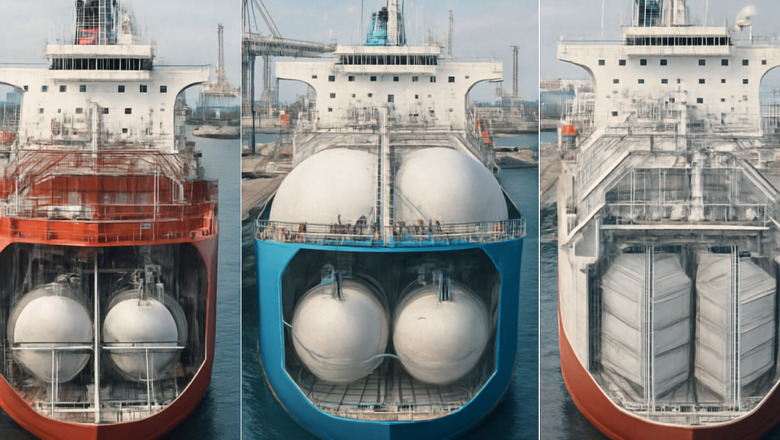
Gas Transport Modes: Pressurized vs. Refrigerated Ships

Gas Transport Modes: Pressurized vs. Refrigerated Ships

Gas Carriers
The Basics: Why Gas Transport Differs from Liquids At first glance, moving gas from point A to point B might seem like a simpler task than transporting liquids. After all, gases don’t slosh, don’t spill in the same messy way, and don’t require the same level of structural reinforcement to keep them contained—or so the thinking goes. But here’s the catch: gases are far more finicky than liquids when it comes to storage and transport. Their behavior under pressure, temperature, and even minor environmental changes can turn a routine shipment into a high-stakes logistical puzzle. To understand why, we need to peel back the layers of what makes gases so uniquely challenging—and why the ships, tanks, and pipelines that carry them look nothing like those used for oil, water, or even liquid chemi...

Taiwanese Coast Guard Officer Relies on Tradition Amidst Regional Tensions

Latest
Spiritual Resilience in the Taiwan StraitIn the contested waters of the Taiwan Strait, Lieutenant Yeh Chih-sheng of the Taiwan Coast Guard prepares for duty with more than standard-issue equipment. Alongside his uniform and operational orders, he carries temple-issued charms—sacred tokens blessed by deities traditionally revered by seafarers for safe passage and protection.As first mate aboard the CG1005, a 200-ton patrol vessel, Yeh operates in one of the world’s most geopolitically sensitive maritime zones. The Taiwan Strait remains a flashpoint, with frequent encounters between Taiwanese and Chinese Coast Guard assets. In this high-stakes environment, Yeh’s personal rituals reflect a deeper connection to maritime heritage—a blend of professional discipline and cultural faith.Navigating ...

Norwegian Offshore Lockout Disrupts Drilling and Production Operations

Latest
Industrial Action Impacts Norwegian Continental ShelfA lockout affecting approximately 1,000 oil service workers in Norway commenced on Saturday, marking a significant escalation in an ongoing labour dispute. The action is anticipated to cause substantial disruptions to drilling activities and partial production halts across the Norwegian continental shelf.Scope and Immediate ConsequencesThe lockout, initiated by employers in response to stalled wage negotiations, targets key personnel in the offshore oil and gas sector. Industry analysts warn that the industrial action may lead to:Delays in drilling operations and well intervention activitiesReduced efficiency in maintenance and support servicesPotential short-term production adjustments at select fieldsSector-Wide ImplicationsOperators o...
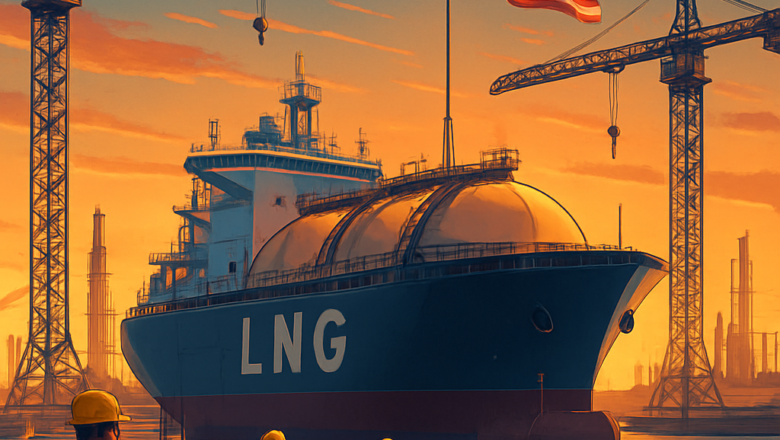
Reviving US LNG Fleet: A Strategic Necessity

Reviving US LNG Fleet: A Strategic Necessity

Gas Carriers
The Rise and Fall of America’s LNG Shipping Legacy There was a time when the United States didn’t just dominate the global energy market—it defined how the world moved liquefied natural gas across oceans. The 1970s were the golden age of American LNG shipping, a decade when U.S. shipyards didn’t just build tankers; they built the future. These weren’t just vessels; they were floating fortresses of innovation, designed to carry one of the most volatile cargoes on earth at temperatures colder than the surface of Mars. And for a brief, shining moment, no one did it better than America. The story begins not in the halls of Congress or the boardrooms of oil majors, but in the salt-stained shipyards of Newport News, Virginia, and Quincy, Massachusetts, where the first generation of American LNG...

Escalation in Strait of Hormuz: Second Tanker Hit Amid Rising U.S.-Iran Maritime Tensions

Latest
Critical Security Deterioration in Key ChokepointA second merchant tanker has been targeted in the Strait of Hormuz, further destabilising one of the world’s most vital maritime corridors. The incident follows closely on the heels of previous attacks and occurs despite intensified naval patrols and diplomatic efforts to safeguard commercial shipping.Strategic Waterway Under PressureThe Strait of Hormuz remains a flashpoint in the ongoing geopolitical standoff between the United States and Iran. Approximately 21 million barrels of oil pass through the 21-nautical-mile-wide channel daily, accounting for roughly one-fifth of global petroleum supplies. Any disruption carries immediate implications for energy markets and vessel safety.Operational Risks for SeafarersSeafarers transiting the regi...

Strait of Hormuz: Tanker Incident Prompts Elevated Maritime Security Alert

Latest
Critical Navigation Zone Sees Heightened Risk After Vessel AttackA commercial tanker has come under attack in the Strait of Hormuz, prompting naval authorities to raise the maritime threat level for vessels transiting the region. The incident, confirmed by defense sources, underscores the persistent security challenges in one of the world’s most vital chokepoints for global energy flows.The Strait of Hormuz, a narrow waterway separating Iran from Oman and the UAE, remains a strategic flashpoint. Approximately one-fifth of the world’s oil supply passes through this corridor, making it a critical artery for international trade. Recent tensions have amplified concerns over safe passage, with naval forces from multiple nations maintaining a heightened presence in response to escalating regiona...

Vitol Successfully Repatriates Stranded Aluminium Shipment from Strait of Hormuz

Latest
Critical Cargo Movement Eases Supply Chain PressureIn a significant development for global aluminium markets, Vitol Group has executed the safe extraction of a stranded aluminium cargo from the strategically vital Strait of Hormuz. The operation, completed earlier this week, marks an important step toward alleviating supply constraints that have impacted industrial consumers worldwide.Operational Challenges OvercomeThe shipment, which had been delayed due to heightened regional security concerns, was successfully navigated through one of the world's most critical maritime chokepoints. Industry sources indicate that the operation required meticulous coordination between vessel operators, local maritime authorities, and international shipping agencies to ensure safe passage.Market Implicatio...
From Crude Oil to Ship Fuel: The Refining Secrets

From Crude Oil to Ship Fuel: The Refining Secrets

Insights
The First Step: Distillation and Fractional Separation Crude oil, in its raw form, is a thick, dark, and complex mixture of hydrocarbons—each with its own boiling point, molecular weight, and potential use. The journey from this unrefined sludge to the precise, high-performance fuels that power global shipping begins with one critical process: distillation. This isn’t just heating oil in a pot; it’s a carefully engineered dance of temperature, pressure, and chemistry, unfolding inside towering steel columns that dominate the skyline of any refinery. Here, crude oil is broken down into its fundamental components, or fractions, each of which will later be transformed into the marine fuels that keep vessels moving—from the heavy, tar-like HFO (Heavy Fuel Oil) to the cleaner, low-sulfur altern...

Rising Safety Concerns as Global Merchant Fleet Ages

Latest
Industry-Warning Over Aging VesselsAnalysis from Allianz Commercial reveals that the average age of the world’s merchant fleet is climbing, introducing heightened operational and safety risks across the maritime sector.Shipowners face significant hurdles in fleet renewal, with constrained shipyard capacity, persistent geopolitical tensions, and volatile market conditions delaying newbuild programs. Older tonnage, while often well-maintained, carries increased susceptibility to mechanical failure, structural fatigue, and compliance challenges under evolving regulatory frameworks.Key Risk FactorsMechanical Degradation: Extended service life elevates the probability of critical system breakdowns, including propulsion, steering, and electrical components.Regulatory Pressures: Stricter environm...

Iran Reaffirms Sovereignty Over Strait of Hormuz Amid Rising Tensions

Latest
Iran Asserts Jurisdiction Over Critical Waterway Following Maritime IncidentIn a statement issued on Friday, Tehran reasserted its authority to regulate maritime traffic through the Strait of Hormuz, emphasizing its strategic role in regional security. The declaration follows a recent vessel attack near Omani waters, underscoring the volatility of ongoing diplomatic efforts to de-escalate tensions in the Gulf.The Iranian government cautioned neighboring Gulf states against aligning with U.S. policies, framing such actions as counterproductive to stability. The incident has reignited concerns over freedom of navigation in one of the world’s most vital chokepoints for global energy supplies.Broader Implications for Maritime OperationsSeafarers operating in the region are advised to maintain ...