

Decoding Alarm Logic: Red, Yellow, and Green Explained
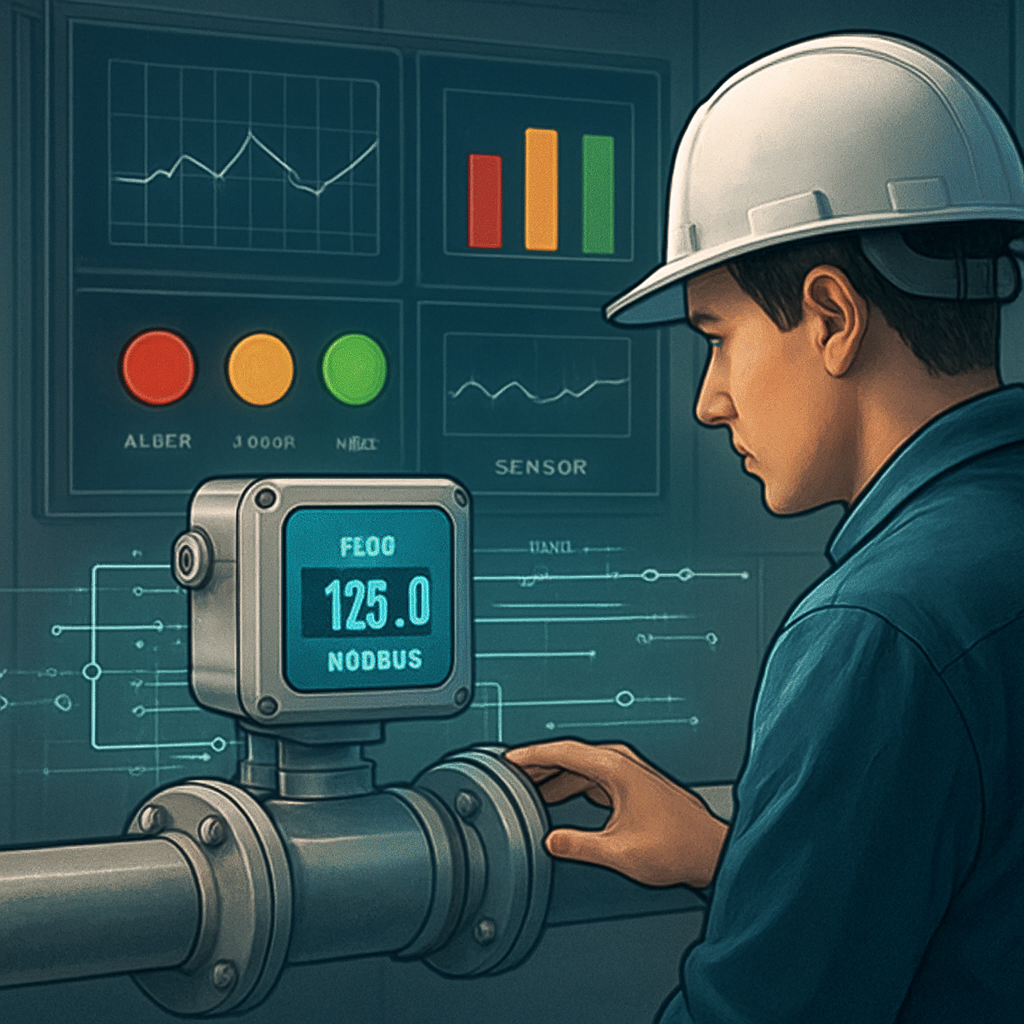 Industrial monitoring systems don’t just track data—they translate it into actionable warnings, often using a simple but powerful color-coded language. Red, yellow, and green aren’t just traffic light holdovers; they’re the backbone of how operators prioritize risks, respond to failures, and keep systems running smoothly. But here’s the catch: these colors only work if everyone understands what they *actually* mean—and what happens when they’re ignored.
Let’s break down the logic behind each state, why it matters, and what operators should (and shouldn’t) do when they see them flashing on a dashboard.
The Red Alarm: When the System is Screaming for Help
A red alarm is the industrial equivalent of a fire alarm—it means something is actively wrong, and it hasn’t been addressed. This isn’t a “maybe” or a “keep an eye on it” situation; it’s a right-now problem that demands immediate intervention. The system isn’t just warning you; it’s telling you that if you don’t act, consequences will follow—whether that’s equipment damage, safety hazards, or costly downtime.
Real-world examples:
- A pressure spike in a hydraulic line exceeds safe operating limits, triggering a red alarm. The system detects the anomaly, but until an operator acknowledges it, the alarm stays red—even if the pressure later stabilizes on its own. (Spoiler: it won’t stay stable for long.)
- A vibration sensor on a pump detects abnormal oscillations, suggesting bearing wear or misalignment. The red alarm fires, but if no one checks the pump, that vibration could escalate into a full-blown mechanical failure.
- A Modbus communication error cuts off data from a critical flow meter. The system can’t confirm whether the pipe is full or empty, but it knows one thing for sure: it’s not getting a signal. Red alarm.
What operators should do:
- Drop everything and investigate. Red alarms aren’t suggestions—they’re emergencies. Even if the issue seems minor (e.g., a temporary sensor glitch), the fact that it’s unacknowledged means the system can’t rule out a real threat.
- Follow the escalation protocol. If the alarm indicates a safety risk (e.g., toxic gas leak, overpressure), initiate shutdown procedures immediately. If it’s an operational issue (e.g., flow disruption), notify the control room and field teams to coordinate a response.
- Acknowledge the alarm—then resolve it. Clicking “acknowledge” doesn’t make the problem disappear; it just tells the system, *”We see this, and we’re handling it.”* The alarm will shift to yellow, but the underlying issue still needs fixing.
The cost of ignoring red: Every second a red alarm goes unacknowledged is a second closer to a breakdown. A pressure spike might blow a gasket. A vibration alarm might lead to a seized motor. And in the worst cases, an unchecked red alarm can escalate into a safety incident—like a tank overfill or a fire. The system is designed to give you time to react, but that window slams shut fast.
The Yellow Alarm: “We Know About It—Now Fix It”
Yellow alarms are the middle ground—they’re active problems that someone has *acknowledged*, but they haven’t been resolved yet. Think of them as the system’s way of saying, *”We’re on it, but this isn’t over.”* The danger here isn’t just the issue itself; it’s the risk of complacency. A yellow alarm can linger for hours (or days) if no one follows through, turning a manageable problem into a ticking time bomb.
Real-world examples:
- A temperature deviation in a reactor triggers a red alarm. An operator acknowledges it, and the alarm turns yellow. The system is now stable, but the root cause—maybe a failing cooling valve or a blocked heat exchanger—hasn’t been addressed. Until it is, that yellow alarm stays lit.
- A low-level warning in a fuel tank appears. The operator confirms it, but the refill process is delayed due to logistical issues. The alarm sits in yellow, a constant reminder that the tank is still running dry.
- A Modbus communication error was acknowledged, but the technician hasn’t had time to check the wiring or reconfigure the sensor. The system is no longer screaming, but it’s still not talking.
What operators should do:
- Treat yellow as a to-do list, not a “maybe later.” Acknowledging an alarm is just the first step. The next is assigning someone to investigate and resolve it—preferably with a deadline. No one should walk past a yellow alarm and think, *”Someone else will handle it.”*
- Use yellow as a tracking tool. If an alarm keeps flipping between red and yellow, it’s a sign of a recurring issue—like a sensor that fails intermittently or a process that’s drifting out of spec. Log these patterns; they’re clues to deeper problems.
- Escalate if resolution stalls. If a yellow alarm sits untouched for too long, it’s time to ask why. Is the team overloaded? Is the fix more complicated than expected? Either way, letting it linger turns a yellow alarm into a future red one.
The cost of ignoring yellow: Yellow alarms are where small problems become big ones. A temperature deviation that’s “stable for now” might lead to product spoilage. A low tank level that’s “not critical yet” could cause a pump to cavitate. And a communication error that’s “probably just a loose wire” might mask a failing sensor—one that could miss the next real crisis. Yellow isn’t a free pass; it’s a countdown.
The Green Alarm: “All Clear—Or Is It?”
Green alarms are the trickiest of the three. On the surface, they seem like the good news: *”The problem is gone!”* But in industrial monitoring, green doesn’t always mean “safe.” It often means the alarm condition has cleared, but no one has confirmed that the system is truly back to normal. This is the “false sense of security” zone—where operators might assume everything’s fine, even when it’s not.
Real-world examples:
- A pressure alarm in a pipeline triggered red when a valve failed. The pressure later stabilized on its own, and the alarm turned green. But the valve is still broken—it just happened to stop leaking at the moment. Without confirmation, the next pressure surge could catch everyone off guard.
- A flow meter threw an “Empty Pipe Detected” error (red), but after a few minutes, the pipe refilled, and the alarm cleared to green. The system doesn’t know if the pipe is *supposed* to be empty or if the sensor is malfunctioning. Someone needs to check.
- A temperature alarm in a storage tank went red when the cooling system failed. The backup system kicked in, bringing the temperature back into range, and the alarm turned green. But the primary cooling system is still down—no one’s fixed it yet.
What operators should do:
- Never assume green means “fixed.” Green only means the alarm condition is no longer active. It doesn’t mean the root cause is resolved. Always ask: *Why did this happen? Is it likely to happen again?*
- Confirm the system’s status. If a flow meter says the pipe is no longer empty, verify it. If a pressure alarm cleared, check the valve or pump that caused it. Green is an invitation to investigate, not ignore.
- Reset or close the alarm properly. Some systems require an explicit “reset” or “clear” action to move an alarm out of green. Skipping this step can leave stale alarms cluttering the dashboard, making it harder to spot new issues.
- Log the incident. Even if the problem resolved itself, document what happened. Was it a sensor glitch? A process hiccup? A near-miss? These details help prevent future failures.
The cost of misreading green: Green alarms are where complacency breeds danger. If operators see green and assume everything’s fine, they might miss:
- Intermittent failures: A sensor that works 90% of the time is still broken. Green alarms from recurring issues can hide patterns that lead to bigger failures.
- Latent risks: A pressure alarm that clears on its own might mean the system is now operating at the edge of its limits. The next disturbance could push it over.
- False negatives: If a sensor is faulty but occasionally gives “good” readings, green alarms can create a false sense of security—right up until the sensor misses a real problem.
In short, green isn’t the end of the story. It’s a chapter that needs closing.
More information on Future of Gas Shipping: Inside Modern LNG Tankers
Why Color Blindness in Alarm Management is a Real Risk
Alarm colors aren’t just aesthetics—they’re a shared language for operators, engineers, and maintenance teams. When that language gets misinterpreted, the consequences range from annoying to catastrophic. Here’s what happens when teams don’t take the colors seriously:
- Red alarms ignored = Downtime (or worse). A 2018 study in the Journal of Loss Prevention in the Process Industries found that 42% of major industrial incidents involved alarms that were either ignored or misclassified. In one case, a refinery ignored a red pressure alarm for over an hour—until the vessel ruptured, causing a fire that shut down operations for weeks.
- Yellow alarms lingering = “Alarm fatigue.” When operators see too many yellow alarms that never get resolved, they start tuning them out. This is how critical warnings get lost in the noise. A 2020 report by the Chemical Safety Board cited alarm fatigue as a contributing factor in a fatal explosion at a chemical plant—where a yellow alarm for a gas leak was acknowledged but never investigated.
- Green alarms misread = False confidence. In 2019, a food processing plant assumed a green alarm meant a temperature issue was resolved. In reality, the sensor had failed entirely, and the product spoiled—costing the company over $2 million in lost inventory. The lesson? Green doesn’t mean “safe”; it means “unconfirmed.”
The fix isn’t complicated, but it requires discipline:
- Train teams on alarm logic—regularly. Don’t assume everyone knows what red, yellow, and green mean. Run drills where operators have to respond to simulated alarms and explain their actions.
- Set time limits for acknowledgment and resolution. Red alarms should be acknowledged within minutes. Yellow alarms should have a resolution plan within hours. Green alarms should be closed out within a shift.
- Audit alarm histories. If certain alarms keep reappearing, they’re not just nuisances—they’re signs of deeper problems. Fix the root cause, not just the symptom.
At the end of the day, alarm colors are like a traffic light: they only work if everyone agrees on what they mean—and what happens when you run a red. In industrial monitoring, the stakes are higher than a ticket. They’re about keeping people safe, equipment running, and operations flowing. And that’s a language worth getting right.