
Wednesday, August 26
Shadow

Author: Дмитрий

U.S. Coast Guard Arctic Fleet Expansion: Davie Defense and Almaco Secure $3.5B Icebreaker Contract

Latest
Strategic Advancement in Polar Maritime CapabilitiesThe United States Coast Guard (USCG) has taken a decisive step toward modernizing its polar icebreaker fleet with the award of a $3.5 billion contract for the construction of Arctic Security Cutters (ASC). The agreement, signed with Davie Defense and its partner Almaco, designates the construction of two vessels at Helsinki Shipyard in Finland, a Davie Defense affiliate.Key Contract DetailsVessel Class: Arctic Security Cutters (ASC), designed for extended polar operations in extreme ice conditions.Contract Value: $3.5 billion, covering design, construction, and lifecycle support.Shipyard: Helsinki Shipyard, Finland, leveraging decades of icebreaker expertise.Delivery Timeline: First vessel expected in the late 2020s, with follow-on units ...
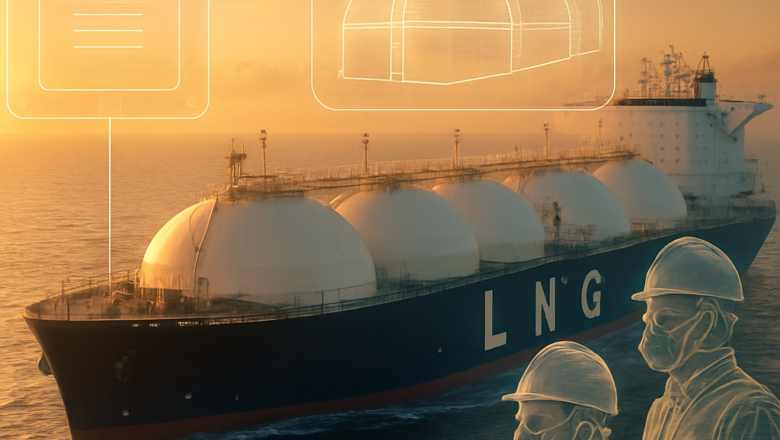
Future of Gas Shipping: Inside Modern LNG Tankers

Future of Gas Shipping: Inside Modern LNG Tankers

Gas Carriers
The Birth of Cryogenic Shipping: A Historical Perspective It all began in a cluttered laboratory in London, where a man with wild hair and a relentless curiosity tinkered with glass tubes and open flames. In 1823, Michael Faraday, then just 31 years old, was already making waves in the scientific community with his work on electromagnetism. But it was his experiments with chlorine that would accidentally plant the first seed for an industry that would one day move entire economies across oceans. Faraday managed to liquefy chlorine by cooling it under pressure—a seemingly small feat, but one that cracked open a door no one had even realized was there. If chlorine could be turned into a liquid, why not other gases? The question lingered, but the world wasn’t ready to answer it. Not yet. For...

CMA CGM Vessel Severely Damaged in Strait of Hormuz Missile Strike Faces Potential Scrapping

Latest
Incident OverviewThe French shipping conglomerate CMA CGM is evaluating the future of one of its container vessels after it sustained critical damage from a missile strike in the Strait of Hormuz in early May.Extent of DamagePreliminary assessments indicate that the structural and mechanical integrity of the vessel has been severely compromised. Industry sources report that repair costs may exceed the economic viability of restoring the ship to operational condition.Operational ImplicationsThe incident underscores the heightened risks in maritime transit through geopolitically sensitive regions. The Strait of Hormuz remains a critical chokepoint for global container shipping, with vessels frequently navigating under elevated security protocols.Company ResponseCMA CGM has not yet issued a d...
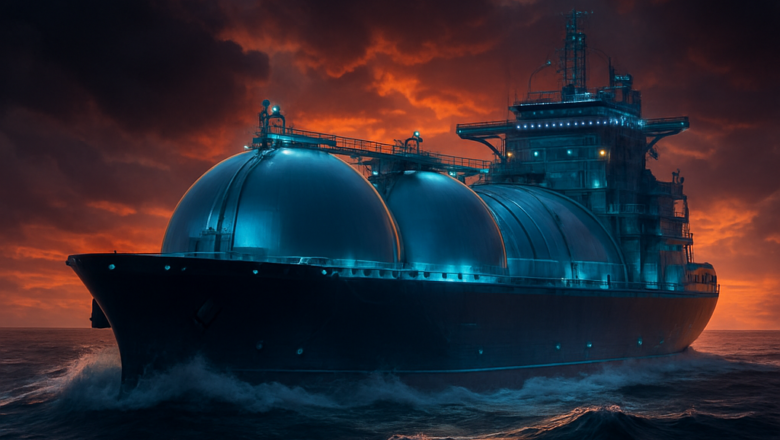
LNG Carrier Safety: Myths vs. Reality

LNG Carrier Safety: Myths vs. Reality

Gas Carriers
The Myth of Inherent Danger: Why LNG Shipping Defies Expectations Walk into any port city where liquefied natural gas (LNG) tankers dock, and you’ll likely hear the same hushed concerns: “Isn’t that stuff dangerous?” “What if it explodes?” “Aren’t we one accident away from disaster?” These fears aren’t baseless—they’re just misplaced. The public imagination has long conflated LNG with the catastrophic imagery of oil spills, chemical fires, or industrial explosions. But here’s the uncomfortable truth for doomsayers: LNG shipping doesn’t just meet safety expectations—it shatters them. For an industry that moves a cargo chilled to -162°C—a temperature at which steel becomes brittle and human flesh freezes in seconds—LNG shipping boasts a safety record so pristine it borders on the surreal. Z...

Japan Considers Resuming Iranian Oil Imports Amid Shipping Risk Concerns

Latest
Negotiations Underway for Iranian Oil Exports to JapanJapan is evaluating the resumption of Iranian oil imports following discussions between Tehran and Japanese firms, enabled by a U.S. sanctions waiver. However, industry sources indicate that potential buyers are pressing for an extended waiver period and clearer guarantees on maritime security.Three sources familiar with the matter—two Iranian and one Western—reported that negotiations have commenced, though concerns persist over operational risks in the region. Japanese refiners remain cautious, seeking assurances on vessel safety and insurance coverage before committing to long-term supply agreements.The U.S. initially granted a six-month waiver in late 2023, allowing limited Iranian oil exports to select countries. Industry analysts ...
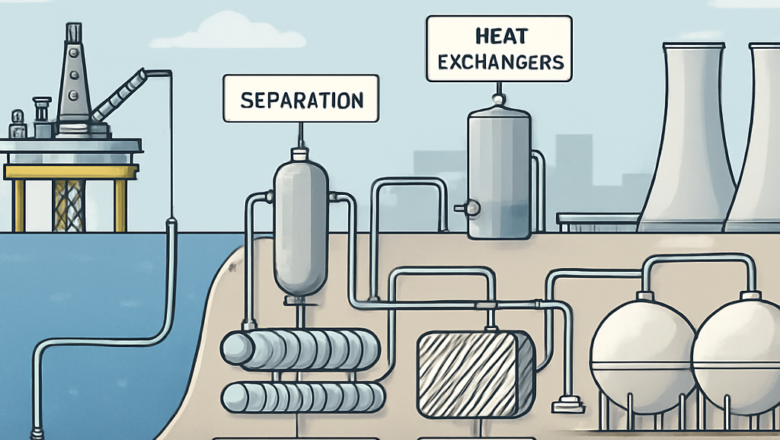
From Well to Liquid: The LNG Transformation Journey

From Well to Liquid: The LNG Transformation Journey

Gas Carriers
Extraction and Initial Separation The journey of liquefied natural gas (LNG) begins long before it reaches the cryogenic temperatures that turn it into a liquid. It starts deep beneath the Earth’s surface—or even deeper, under the crushing weight of the ocean—where vast reservoirs of natural gas lie trapped in porous rock formations. Extracting this gas is a feat of engineering that balances brute force with precision, raw power with delicate control. And the first critical step? Getting it out of the ground—or the seabed—without letting the chaos of the underground world sabotage the entire operation. The Drill: Breaking Into the Reservoir Whether onshore or offshore, the extraction process begins with a well—a narrow, meticulously engineered tunnel that acts as a lifeline between the sur...

EU Intensifies Crackdown on Shadow Fleet Tankers Misusing Cameroon Flag

Latest
EU Authorities Target Non-Compliant Vessels in Russian Oil TradePARIS/LONDON – European maritime authorities have escalated enforcement measures against tankers suspected of illicitly operating under Cameroon’s flag while transporting Russian oil, according to industry sources.The initiative includes increased at-sea inspections, with vessels flagged for potential violations facing boarding and detailed compliance checks. The move aims to curb the misuse of open registries by shadow fleet operators evading international sanctions.Key DevelopmentsEnhanced Surveillance: EU naval assets and port state control authorities are prioritizing inspections of tankers linked to suspicious flagging practices.Regulatory Scrutiny: Cameroon’s registry is under pressure to verify vessel ownership and oper...

CMA CGM Unveils NOTRE DAME: France’s Largest Flagged Containership

Latest
Milestone Ceremony in Le Havre Marks Fleet ExpansionThe CMA CGM Group has officially named its latest ultra-large containership, the CMA CGM NOTRE DAME, during a ceremony held in Le Havre. The vessel now stands as the largest French-flagged containership in operation.Technical SpecificationsLength: 400 metersBeam: 61 metersCapacity: 24,000 TEUsThe CMA CGM NOTRE DAME joins the fleet as a key asset in the group’s strategic capacity expansion, reinforcing its position in global container shipping. The naming event underscores CMA CGM’s commitment to modernizing its tonnage while maintaining operational excellence.Further details on deployment and route integration will follow as the vessel prepares for commercial service.

Crude Prices Hit Four-Month Low Following Progress in Strait of Hormuz Talks

Latest
Market Reaction to Diplomatic DevelopmentsCrude oil benchmarks retreated to their lowest levels in four months after diplomatic efforts led by Qatar signaled potential de-escalation in the Strait of Hormuz conflict, easing concerns over prolonged supply disruptions.Brent futures settled $1.03 lower, reflecting a 1.2% decline as market sentiment shifted following reports that Iran and the United States had made measurable progress in negotiations. The talks, mediated by Qatar, aim to resolve the four-month standoff that has restricted vessel traffic through the critical chokepoint.Impact on Maritime OperationsThe Strait of Hormuz remains a vital artery for global oil transport, with approximately one-fifth of the world’s crude passing through its waters. Any sustained disruption poses signi...

Container Spot Rates Surge 9% Amid Capacity Constraints and Peak Season Demand

Latest
Key Trade Lanes Experience Rate HikesContainer spot freight rates have risen sharply this week, increasing by 9% as capacity tightens and seasonal demand intensifies across major east-west trade corridors. The transpacific and Asia-Europe routes, in particular, are driving the upward trend, reflecting heightened cargo volumes and operational constraints.Market Dynamics Behind the IncreaseIndustry analysts attribute the rate surge to a combination of factors, including:Reduced available vessel capacity due to ongoing port congestion and schedule disruptions.Strong pre-holiday shipping demand, particularly for consumer goods and manufacturing inputs.Carrier efforts to manage load factors and optimize network efficiency amid fluctuating market conditions.Outlook for Shippers and OperatorsWith...