

The Problem with Traditional Separators
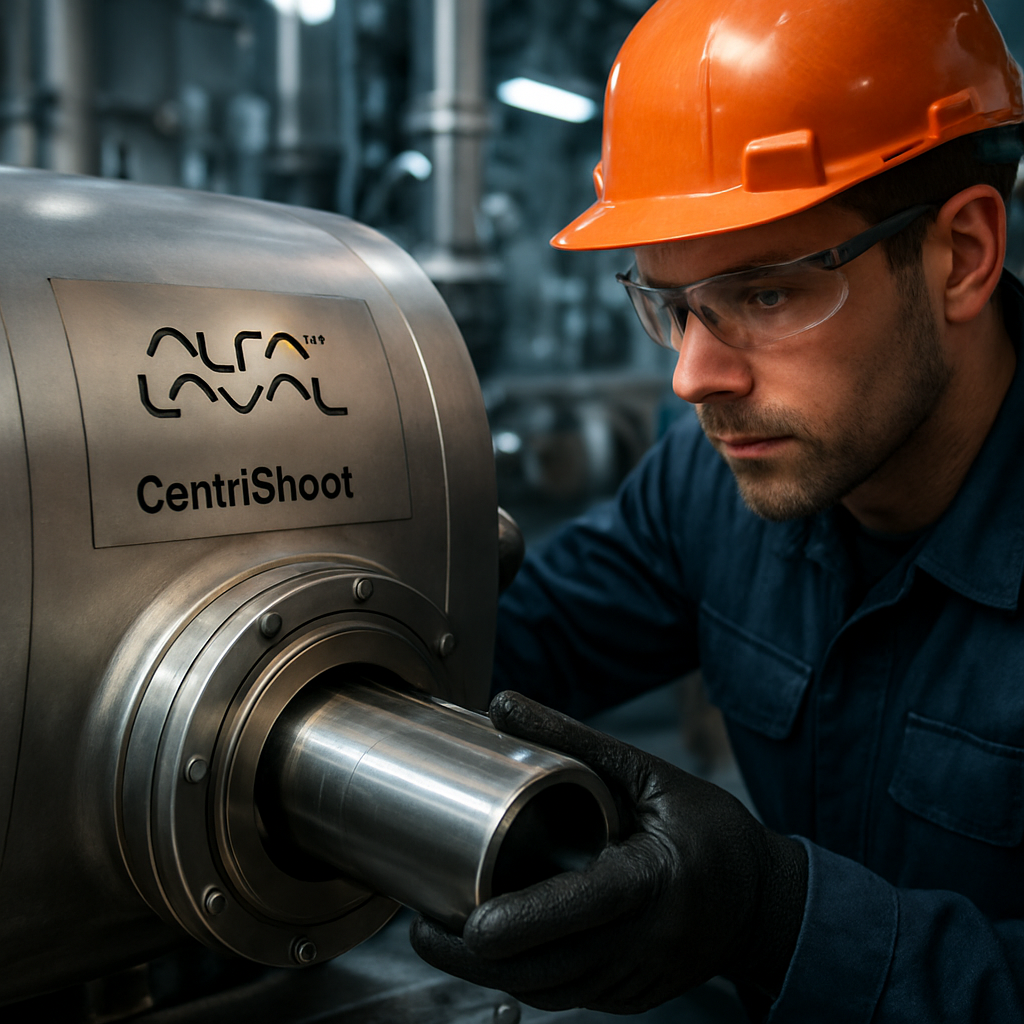 Let’s be honest—if you’ve spent any time in the engine room, you’ve seen it: the slow, grinding decline of a separator that was never designed to last. Traditional systems have been the workhorses of marine operations for decades, but that doesn’t mean they’re without their flaws. In fact, some of their most persistent issues aren’t just inconveniences—they’re ticking time bombs for downtime, safety risks, and ballooning maintenance costs. And if you’ve ever wrestled with a seized locking ring or watched sludge clog up a discharge line, you know exactly what we’re talking about.
The Silent Killer: Metal-on-Metal Wear in Sliding Bowl Bottoms
At the heart of every conventional separator is the sliding bowl bottom—a critical component that, in theory, should move smoothly to eject sludge. In reality? It’s a high-friction nightmare. These systems rely on metal surfaces grinding against each other under immense pressure, often lubricated by nothing more than the very fuel or lube oil they’re processing. Over time, that contact creates microscopic scoring, galling, and eventually, outright seizing.
Take, for example, a typical 10,000 DWT product tanker running on HFO. After about 2,000 hours of operation, the sliding bowl bottom starts to stick. At first, it’s just a hesitation—a fraction of a second delay in the discharge cycle. But soon, the crew notices the separator isn’t clearing sludge as efficiently. The bowl isn’t opening fully, so sludge builds up in the periphery, reducing separation efficiency. By 3,500 hours, the system is struggling to eject anything at all. The result? A forced shutdown, a rushed overhaul, and a bill for replacement parts that could’ve been avoided.
And it’s not just about performance. That metal-on-metal wear generates fine particulate debris, which gets circulated back into the system. Over time, this contaminates the oil, accelerates pump wear, and even risks damaging downstream equipment like purifiers and filters. It’s a domino effect—one worn component compromising the entire fuel or lube oil circuit.
More information on LNG Carrier Safety: Myths vs. Reality
Sludge Discharge: The Inefficiency You’ve Learned to Accept
If you’ve ever stood in front of a separator during a discharge cycle, you’ve seen the problem firsthand: the sludge doesn’t always go where it’s supposed to. Traditional systems rely on a timed or pressure-triggered release, but here’s the catch—they can’t account for variations in sludge viscosity, temperature, or even the angle of the ship in rough seas. The result? Incomplete discharges, residual sludge clinging to the bowl walls, and a separator that’s never truly clean.
Consider a bulk carrier operating in the North Atlantic. The cold temperatures thicken the sludge, making it harder to eject. The separator’s discharge cycle fires, but instead of a clean release, a thick, tar-like residue remains. Over time, this buildup reduces the bowl’s effective volume, forcing the system to run more frequently. The crew compensates by increasing the discharge interval, but that only exacerbates the problem—more sludge accumulates, separation efficiency drops, and fuel consumption creeps up. Before long, the chief engineer is looking at a 10-15% increase in fuel usage, all because the separator can’t clear its own waste.
And let’s not forget the environmental angle. Incomplete sludge discharge means more frequent manual cleaning, which often involves flushing the system with solvents or even scraping out the bowl by hand. That’s not just labor-intensive—it’s a potential MARPOL violation waiting to happen if any of that sludge ends up where it shouldn’t.
The Sledgehammer Problem: When Maintenance Becomes a Contact Sport
If there’s one ritual in the engine room that every marine engineer dreads, it’s the removal of a threaded locking ring. You know the drill: the separator’s been running for months, the ring is seized tight, and the only way to break it free is with brute force. A sledgehammer. A cheater bar. Maybe a few choice words. It’s not just a maintenance task—it’s a full-contact sport.
Here’s how it usually goes down: The crew shuts down the separator, drains the bowl, and positions themselves around the locking ring. Someone wedges a chisel into the notches, another swings the sledgehammer, and the rest brace for the recoil. If they’re lucky, the ring breaks free after a few solid hits. If they’re not? The threads strip, the ring deforms, or worse—the bowl itself gets damaged. Now, instead of a routine service, you’ve got a major repair on your hands, possibly requiring a replacement bowl or even a new separator.
But the risks go beyond just equipment damage. Swinging a sledgehammer in the confined space of an engine room is an accident waiting to happen. A missed swing can mean a crushed finger, a broken rib, or a concussion. And let’s not forget the ergonomic toll—repeatedly striking a stubborn locking ring puts immense strain on shoulders, backs, and wrists. Over time, this leads to chronic injuries that sideline crew members and drive up insurance costs.
A real-world example? A container ship in the Pacific had a separator locking ring seize so badly that the crew spent eight hours trying to remove it. They tried heat, penetrating oil, and every trick in the book, but the ring wouldn’t budge. In the end, they had to cut it off with a torch—a job that required calling in a specialist, delaying the next port call, and costing the company thousands in lost time and emergency repairs. All because the system was designed with a maintenance process that relied on raw force instead of engineering.
The Hidden Costs of “Good Enough”
At this point, you might be thinking, “We’ve dealt with these issues for years—why fix what isn’t broken?” But here’s the thing: these problems aren’t just annoyances. They’re cost multipliers. Every hour spent hammering at a locking ring is an hour not spent on proactive maintenance. Every incomplete sludge discharge is a percentage point shaved off your fuel efficiency. Every seized sliding bowl bottom is a potential unplanned shutdown.
Let’s break it down:
- Downtime: A single unplanned separator overhaul can take 12-24 hours, depending on the severity. For a vessel on a tight schedule, that’s a day of lost revenue—or worse, a demurrage charge.
- Maintenance Costs: Replacing a damaged locking ring or bowl isn’t cheap. Add in the labor for emergency repairs, and you’re looking at a bill that could’ve been avoided with a more reliable system.
- Safety Risks: Sledgehammer injuries aren’t just painful—they’re preventable. Every swing is a liability, and every near-miss is a reminder that the system was never designed with the crew’s safety in mind.
- Operational Inefficiency: A separator that can’t discharge sludge properly is a separator that’s working harder than it needs to. That means higher fuel consumption, more frequent filter changes, and a shorter lifespan for the entire system.
The bottom line? Traditional separators weren’t built for the demands of modern shipping. They were built for an era when downtime was an accepted cost of doing business, and maintenance was more about brute force than precision engineering. But in today’s industry—where every hour counts and every dollar matters—those old pain points aren’t just inconveniences. They’re unnecessary risks.