

Key Takeaways: Offshore & DP Salaries 2026
- Salary Structure: Offshore sector wages are primarily structured around day rates. The offshore vessel salaries 2026 market highlights a significant upward trend driven by high utilization of Deepwater and Renewables support fleets.
- Master DPO Day Rates: Command premium rates of $650 to $1,200/day, scaling by vessel complexity (highest on Drillships and Subsea Construction vessels).
- Chief Engineer DPO: Averages $600 to $1,100/day depending on asset class and high-voltage power generation configuration.
- DPO Officers: The standard dynamic positioning officer salary per day ranges between $350 and $600/day.
- Standard Rotations: Equal rotation schedules of 28/28 days or 6 weeks on / 6 weeks off remain the industry norm. Most offshore contracts pay exclusively for days worked on board (unpaid leave), though select North Sea and specialized subsea contracts incorporate salary-averaging or retainer schemes.
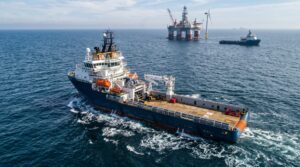 The offshore energy sector is experiencing a multi-year supercycle heading into 2026. Global demand for oil and gas, combined with the rapid expansion of offshore wind installations, has triggered a severe shortage of certified Dynamic Positioning (DP) personnel. Both navigation officers and specialized marine engineering crew are commanding substantial rate increases across all vessel categories.
For deck and engineering officers analyzing their career path, comparing earning potential across sectors is crucial. While the offshore sector offers lucrative day rates, many officers also look to the liquefied gas market. To understand how offshore earnings compare to the gas sector, explore our detailed analysis of LPG and LNG Tanker Salaries in 2026.
Furthermore, transitioning into high-paying offshore contracts requires valid certificates and medical clearances. For seafarers operating or residing in Southern Europe, obtaining or renewing your ENG1 or equivalent health certificate is essential. You can find out where to schedule your checkups in our comprehensive guide to the seafarers’ medical examination in Spain (Alicante).
Offshore & DP Fleet Salary Table 2026
The following table provides an exhaustive breakdown of the average day rates and monthly equivalent earnings for crew members across different classes of offshore vessels, including Platform Supply Vessels (PSV), Anchor Handling Tug Supply (AHTS) vessels, Subsea/Construction vessels, and Drillships.
| Rank / Position | Vessel Class | Average Day Rate (USD) | Estimated Monthly/Tour Earnings (USD) | Standard Rotation |
|---|---|---|---|---|
| Master DPO | Subsea / Drillship | $950 – $1,250 | $26,600 – $35,000 | 4 weeks on / 4 weeks off |
| ahts captain wage | AHTS (Heavy Winch) | $750 – $950 | $21,000 – $26,600 | 6 weeks on / 6 weeks off |
| Master DPO (PSV) | PSV (DP2) | $650 – $800 | $18,200 – $22,400 | 6 weeks on / 6 weeks off |
| Chief Engineer | Subsea / Drillship | $900 – $1,150 | $25,200 – $32,200 | 4 weeks on / 4 weeks off |
| Chief Officer DPO | Subsea / Drillship | $650 – $850 | $18,200 – $23,800 | 4 weeks on / 4 weeks off |
| 2nd Officer DPO (Full DP) | Subsea / AHTS / PSV | $450 – $600 | $12,600 – $16,800 | 6 weeks on / 6 weeks off |
| Subsea Engineer | Subsea / Drillship | $650 – $900 | $18,200 – $25,200 | 4 weeks on / 4 weeks off |
| ETO (High Voltage / DP) | Drillship / Subsea (DP3) | $550 – $750 | $15,400 – $21,000 | 4 weeks on / 4 weeks off |
| 2nd Engineer | AHTS / PSV | $450 – $600 | $12,600 – $16,800 | 6 weeks on / 6 weeks off |
| Crane Operator (Stage 3) | Subsea / Construction | $500 – $700 | $14,000 – $19,600 | 4 weeks on / 4 weeks off |
| Rig Mechanic | Drillship / Subsea | $400 – $550 | $11,200 – $15,400 | 4 weeks on / 4 weeks off |
| Bosun | AHTS / PSV | $250 – $350 | $7,000 – $9,800 | 8 weeks on / 8 weeks off |
| AB / Rigger | AHTS / PSV | $180 – $260 | $5,040 – $7,280 | 8 weeks on / 8 weeks off |
Note on rates: All rates shown represent gross USD. Day rates vary by operational region, tax jurisdictions, and specific Dynamic Positioning (DP) configurations.
Key Market Drivers in 2026
The offshore sector is experiencing structural changes that are directly inflating the dp operator salary 2026 metrics across all marine crew ranks:
- Deepwater Exploration Revival: High oil prices and energy security policies have reignited ultra-deepwater drilling in the Golden Triangle (Gulf of Mexico, Brazil, and West Africa). This has created an intense bidding war for top-tier Drillship and Subsea Construction DPOs.
- Offshore Wind Support Fleet (SOV/CSOV): The explosion of offshore wind farm installations in the North Sea and East Coast of the US has absorbed a massive percentage of the global DP2 fleet. Service Operation Vessels (SOVs) and Commissioning Service Operation Vessels (CSOVs) are offering highly competitive psv crew salary offshore levels to secure experienced navigators.
- Stricter Dynamic Positioning Standards: The Nautical Institute (NI) and the International Marine Contractors Association (IMCA) have implemented more rigorous logbook auditing and revalidation standards. As a result, officers with verified hours and “Unlimited DP” licenses have become scarce, pushing up the average dynamic positioning officer salary per day.
- High Voltage and Cyber Security Requirements: Drillships and modern hybrid-propulsion subsea vessels feature complex electrical setups. This has significantly boosted the subsea engineer offshore salary and the day rates for Electro-Technical Officers (ETOs) holding High Voltage (HV) certifications.
Major Offshore Employers and Operating Regions
Securing high-tier day rates depends on placement with Tier-1 operators and being deployed in high-income offshore basins:
Prominent Global Operators
- Drilling & Subsea Construction: Transocean, Valaris, Noble Corporation, Subsea 7, Saipem, and TechnipFMC. These operators routinely pay the highest rates for Master DPOs, Subsea Engineers, and high-voltage ETOs.
- OSV & PSV Fleets: Tidewater, Solstad Offshore, Bourbon Marine, and P&O Maritime. These players dominate the global supply run routes and offer stable rotations.
Key Geographical Theaters
- North Sea (UK/Norway): Characterized by stringent safety regulations, unionized wages, and excellent rotation schemes (typically 2-3 weeks). Day rates are high but subject to regional taxation depending on residency.
- Gulf of Mexico (US/Mexico): Offers some of the highest day rates globally for Jones Act compliant and international crew on specialized subsea vessels.
- Brazil (Petrobras Specs): Heavily regulated, demanding specific annexes and high-specification DP2/DP3 setups. Brazil requires a high ratio of nationalized crew, but senior international DPOs are still in hot demand.
- Middle East & West Africa: Historically offering tax-free arrangements, with West Africa typically yielding high uplifts for security risks and deepwater complexity.
Strategic Advice for Career Advancement
If you are looking to maximize your earning potential in the offshore fleet, prioritizing specific high-level skills is the most direct path. Moving from PSVs to multi-purpose subsea construction vessels, or transitioning your licensing toward drillship operations, can nearly double your annual income. Securing a Stage 3 Crane certification or an Unlimited DP Certificate is a highly profitable investment.
For those interested in exploring different marine sectors, or managing your own private vessels on the side, registering your leisure or support craft is another logistical consideration. To learn about modern flagging procedures, read our walk-through on registering a boat or yacht under Polish flag in Spain.
To stay on top of the latest news, maritime trends, regulatory shifts, and additional crew wage reports, make sure to visit and bookmark the FREEWIND maritime blog.
Frequently Asked Questions
What is the average dynamic positioning officer salary per day on modern vessels?
In 2026, a certified Dynamic Positioning Officer (DPO) can expect to earn between $450 and $600 per day on standard PSV or AHTS fleets. On advanced Subsea Construction vessels or DP3 Drillships, Senior DPOs can earn up to $850 per day, depending on experience and the region of operation.
What are the typical rotations for offshore vessel crews?
The standard offshore rotation is an equal-time system, most commonly 28 days on duty followed by 28 days of leave (28/28), or 6 weeks on / 6 weeks off. On some long-haul exploration platforms or specialized drillships, a 4 weeks on / 4 weeks off rotation is standard. Most contracts operate on an unpaid leave day rate structure.
Why is the subsea engineer offshore salary rising so fast?
Subsea engineers are responsible for critical blowout preventers (BOPs), subsea production trees, and complex hydraulic and electronic control systems. With the resurgence of ultra-deepwater drilling projects and a lack of younger engineers specialized in subsea operations, day rates have risen to $650–$900 per day in 2026 to prevent attrition.