
Wednesday, October 14
Shadow

Author: Dmytro Melnikov

Chief Engineer specializing in LPG and LEG carriers with over 20 years of experience in marine engineering, machinery maintenance, dry docking, and technical leadership. Founder of Seamen.es and developer of AI-powered automation solutions for the maritime industry. Author of technical publications covering marine engineering, cargo systems, refrigeration, engine room automation, and digital technologies for shipping.
ECDIS Certificate: Equipment Types and Training Requirements

ECDIS Certificate: Equipment Types and Training Requirements

Blogs, Posts
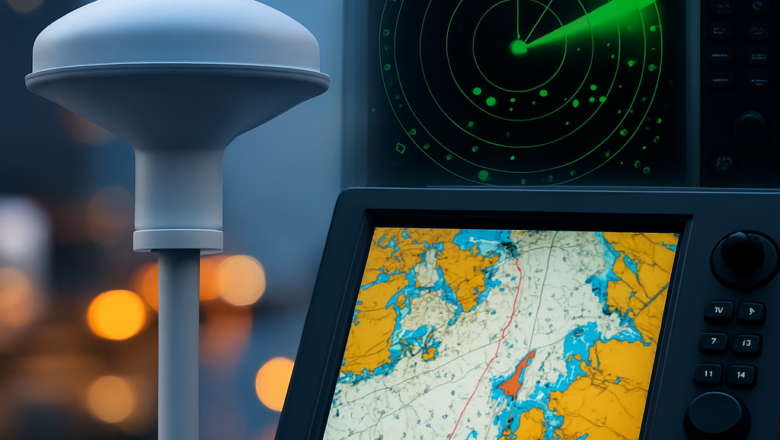
ECDIS Certificate: Equipment Types and Training Requirements The Electronic Chart Display and Information System (ECDIS) has revolutionized maritime navigation, replacing traditional paper charts on modern vessels. However, operating this complex system requires specialized training. Under the STCW Convention and the ISM Code, navigational officers must possess valid ECDIS certification. This article details the types of ECDIS training required and the differences between equipment manufacturers. Generic vs. Type-Specific ECDIS Training ECDIS certification is not a single, all-encompassing document. It is divided into two distinct phases of training: 1. Generic ECDIS Training (IMO Model Course 1.27) This is the foundational course required for all deck officers. It covers the fundamental ...
SSO Certificate Requirements for Chief Officers and Masters

SSO Certificate Requirements for Chief Officers and Masters

Blogs, Posts
SSO Certificate Requirements for Chief Officers and Masters In the modern maritime environment, security is as paramount as safety. The International Ship and Port Facility Security (ISPS) Code mandates that every vessel must have a designated Ship Security Officer (SSO). This role is typically assumed by the Chief Officer or the Master. This article explores the responsibilities of the SSO, the requirements for obtaining the certification, and the interaction with shore-based security protocols. The Role of the Ship Security Officer (SSO) The SSO is the linchpin of a vessel's security apparatus. They are responsible to the Master for the overall security of the ship. Key duties include: Ship Security Plan (SSP): Implementing and maintaining the SSP, ensuring all security measures are ...
Seafarer’s Medical Examination in Spain: Where to Go in Alicante

Seafarer’s Medical Examination in Spain: Where to Go in Alicante

Blogs, Posts
Seafarer's Medical Examination in Spain: Where to Go in Alicante A valid medical fitness certificate is a fundamental requirement for any seafarer stepping onboard a commercial vessel. It serves as proof that you are physically and mentally fit to perform your duties at sea, in accordance with the strict standards set by the ILO (International Labour Organization) and STCW conventions. For seafarers residing in or transiting through the Costa Blanca region, this guide details where and how to obtain a maritime medical certificate in Alicante and Torrevieja. The Role of the Instituto Social de la Marina (ISM) In Spain, maritime medical examinations (Reconocimiento Médico de Embarque Marítimo) are officially regulated and managed by the Instituto Social de la Marina (ISM), which operates un...
Enclosed Space Entry and Hot Work on Board Ships

Enclosed Space Entry and Hot Work on Board Ships

Blogs, Posts
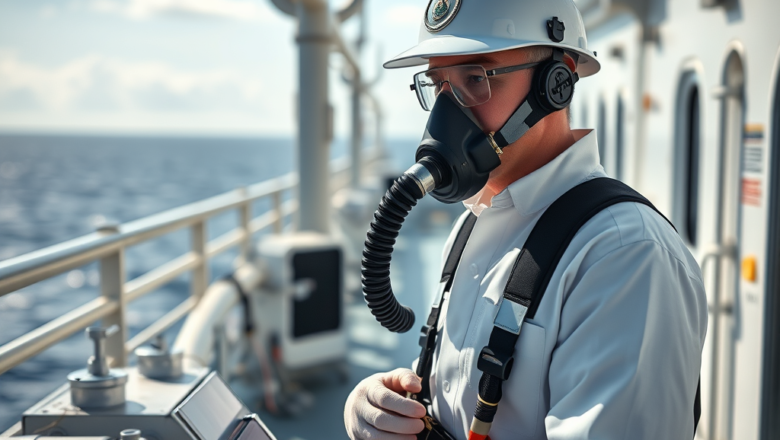
Working in enclosed spaces and performing hot work are statistically the most dangerous activities undertaken by seafarers. Despite rigorous regulations and the ISM (International Safety Management) Code, fatalities still occur due to complacency or failure to follow established procedures. This comprehensive technical guide covers the critical safety protocols, permits, and responsibilities involved in Enclosed Space Entry and Hot Work on board commercial vessels. Defining Enclosed Spaces and the Associated Risks An enclosed space is any space that has limited openings for entry and exit, inadequate ventilation, and is not designed for continuous worker occupancy. Examples include cargo holds, double bottom tanks, ballast tanks, cofferdams, and chain lockers. The primary hazards are: ...
How to Renew a Seafarer’s Certificate Without Losing Sea Service

How to Renew a Seafarer’s Certificate Without Losing Sea Service

Blogs, Posts
How to Renew a Seafarer's Certificate Without Losing Sea Service A seafarer's Certificate of Competency (CoC) and STCW certificates are the lifeblood of their career. These documents typically have a validity of five years. Allowing them to expire can result in a loss of valid sea service status and require retaking extensive exams. This guide outlines the proper procedure for renewing your seafarer's certificate smoothly, ensuring continuous professional eligibility. Requirements for Minimum Sea Service The standard route to renewing a CoC without having to take full examinations is by proving continued professional competence through sea service. The STCW convention generally requires you to demonstrate approved seagoing service performing duties appropriate to the certificate held for ...
Ukrainian Seafarers’ Documents on EU-Flagged Vessels

Ukrainian Seafarers’ Documents on EU-Flagged Vessels

Posts, Ukrainian seafarer in Spain
Ukrainian Seafarers' Documents on EU-Flagged Vessels Ukrainian seafarers represent a significant portion of the global maritime workforce. However, working on vessels flying the flag of a European Union member state with non-EU documents presents specific legal and administrative challenges. This article explores the recognition of Ukrainian diplomas and STCW certificates on EU-flagged ships, providing a clear path for legal employment. The Legal Basis for Mutual Recognition of STCW Certificates The International Maritime Organization's (IMO) STCW Convention provides the global framework for seafarer certification. However, the European Union has its own directive (Directive 2008/106/EC, as amended) regarding the minimum level of training of seafarers. For an EU member state to recognize ...
STCW Certificates for Working on Tankers and Gas Carriers

STCW Certificates for Working on Tankers and Gas Carriers

Blogs, Posts
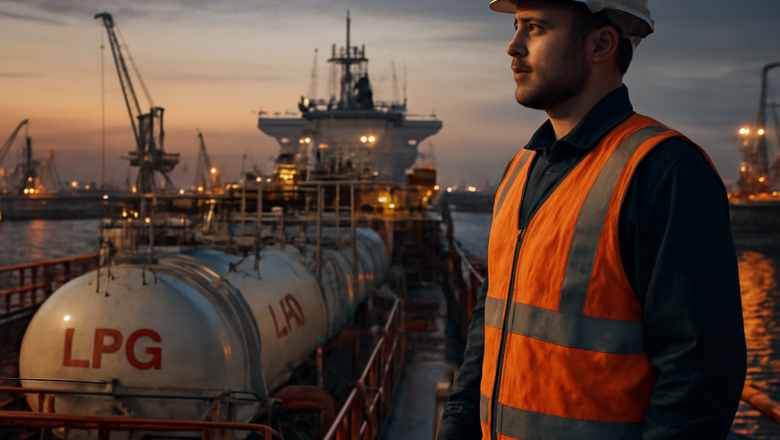
STCW Certificates for Working on Tankers and Gas Carriers Transitioning to the tanker and gas carrier fleet (LNG/LPG) is a lucrative career move, but it requires specialized training and certification above the standard STCW requirements. The handling of hazardous, flammable, and cryogenic cargoes demands a deep understanding of safety protocols and operational procedures. This article details the mandatory STCW certificates required for deck and engine officers to work on these specialized vessels. Basic and Advanced Training for Liquefied Gas Tanker Operations The STCW Convention (Regulation V/1-2) outlines specific training for personnel on liquefied gas tankers. There are two primary levels of certification: 1. Basic Training for Liquefied Gas Tanker Cargo Operations This entry-level ...
Seafarer’s Certificate in Spain: A Step-by-Step Guide

Seafarer’s Certificate in Spain: A Step-by-Step Guide

Blogs, Posts
Validation of a Seafarer's Certificate in Spain: A Step-by-Step Guide For seafarers looking to work under the Spanish flag or for Spanish shipping companies, the recognition of your foreign maritime certificate is a critical step. This process, known as homologation, is managed by the Ministerio de Transportes (Mitma) through the Dirección General de la Marina Mercante. In this comprehensive guide, we will break down the entire procedure, from gathering documents to dealing with the Capitanía Marítima. Understanding the Homologation Process A foreign seafarer's certificate (CoC - Certificate of Competency) does not automatically grant the right to work on Spanish-flagged vessels. The homologation process verifies that your training meets STCW standards and aligns with Spanish maritime reg...
Transitioning from Bulk to Gas Carriers: A Guide for Juniors

Transitioning from Bulk to Gas Carriers: A Guide for Juniors

Blogs, Gas Carriers, Posts
Transitioning from Bulk Carriers to Gas Carriers: A Guide for Juniors Dreaming of trading coal dust for the sterile decks of gas carriers? Transitioning from the bulk fleet to LPG (Liquefied Petroleum Gas) vessels is a popular and justified career move for junior specialists (cadets, 4th engineers, 3rd officers). In this guide by seamen.es, we will explain why you should make this move and how to prepare for it. Why Gas Carriers? Advantages of LPG Contracts Working on gas carriers is considered elite in the merchant fleet, and for good reasons: Contract Duration: While a standard contract for a junior on bulkers lasts 6-8 months, on gas carriers it is 4-5 months. This allows you to be home more often and reduces psychological burnout. Salaries: Rates on LPG are on average 20-40% high...
Specifics of Transporting Ammonia and Propylene on LPG

Specifics of Transporting Ammonia and Propylene on LPG

Gas Carriers, Posts
Specifics of Transporting Ammonia and Propylene on LPG Carriers Transporting chemical gases on LPG (Liquefied Petroleum Gas) vessels requires the highest qualifications from the crew. Unlike standard propane or butane, ammonia and propylene pose a serious threat to both the seafarers' health and the vessel. In this technical article for seamen.es, we will dissect the specifics of working on Fully Ref (Fully Refrigerated) gas carriers with toxic and reactive cargoes. Differences Between VLGC Operations and Vessels for Ammonia and VCM VLGC (Very Large Gas Carrier) type vessels mostly transport exclusively liquefied petroleum gas (LPG) — propane and butane. These cargoes are relatively predictable. However, mid-size (MGC) and small gas carriers often operate in the chemical gas niche (Ammoni...