
Friday, September 18
Shadow

Posts

Seafarer Blogs & Maritime Insights: Your Guide to Life at Sea
Welcome to the seamen.es Article Hub! Discover firsthand seafarer blogs, expert maritime career advice, industry updates, and essential tips for upgrading your qualifications. We bridge the gap between greenhorns and experienced mariners by delivering verified, practical knowledge straight from the fleet. Stay informed, upgrade your skills, and navigate your maritime career with confidence.

Yanmar SCR:A Complete Guide to Selective Catalytic Reduction

Yanmar SCR:A Complete Guide to Selective Catalytic Reduction

Insights
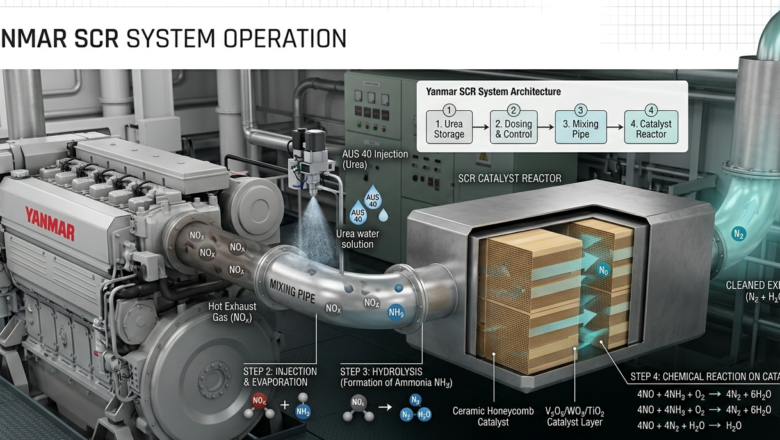
Introduction: The Environmental Challenge for the Modern Fleet The modern maritime industry is undergoing a massive transformation driven by stringent environmental regulations. The International Maritime Organization (IMO) is steadily tightening standards aimed at reducing the anthropogenic impact of the merchant fleet on the Earth's atmosphere. One of the most critical and strictly enforced documents in this area is Annex VI of the International MARPOL Convention (MARPOL Annex VI), which regulates air pollution from ships. The greatest challenge for shipowners and marine engineers is traditionally meeting the IMO Tier III standards. This regulation requires a radical reduction—by approximately 80% compared to Tier I—in nitrogen oxide (NOx) emissions when a vessel operates with...
Marine Fuel Management: From Oil Refining to Engine Efficiency

Marine Fuel Management: From Oil Refining to Engine Efficiency

Insights
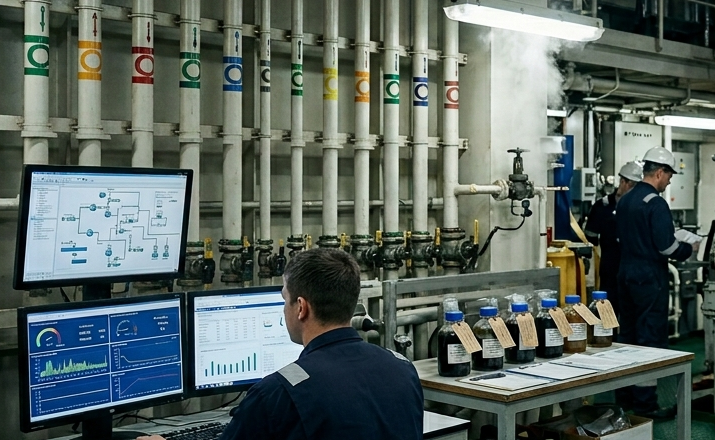
In the context of modern environmental regulations and the transition to low-sulfur fuels, a deep understanding of fuel management processes has become critically important for every mariner. The recent two-day fuel management course covered the entire cycle: from crude oil extraction to engine performance optimization. Oil Refining Basics and Fuel Types The production of marine fuel begins at the refinery with distillation, where crude oil is separated by weight when heated. Heavy fractions undergo cracking — a process of breaking down long molecular chains into lighter, more valuable ones. For the maritime industry, the distinction between the main types of fuel is crucial: HFO, VLSFO, LSMGO, and MDO. With the introduction of IMO 2020 regulations, the global fleet's sulfur ...
Life at Sea: The Harsh Reality of Food on Ships

Life at Sea: The Harsh Reality of Food on Ships

Gas Carriers
The Menu No One Asked For Imagine waking up after a grueling 12-hour shift, your body aching, your stomach growling—only to be greeted by a steaming plate of chicken feet, their scaly skin glistening under the fluorescent lights of the ship’s mess. Or perhaps it’s a bowl of pig trotters, the gelatinous texture of the skin sticking to your fork as you poke at it half-heartedly. For many seafarers aboard Pacific Gas and Dorian vessels, this isn’t a nightmare. It’s just Tuesday. The complaints about the food on these ships aren’t just about taste—they’re about survival. When your job demands physical endurance, mental sharpness, and the ability to function in high-stress environments, the last thing you need is a meal that feels like a cruel joke. Yet, time and time again, sailors describe o...
Cargo Containment Systems: Spheres to Membranes

Cargo Containment Systems: Spheres to Membranes

Gas Carriers
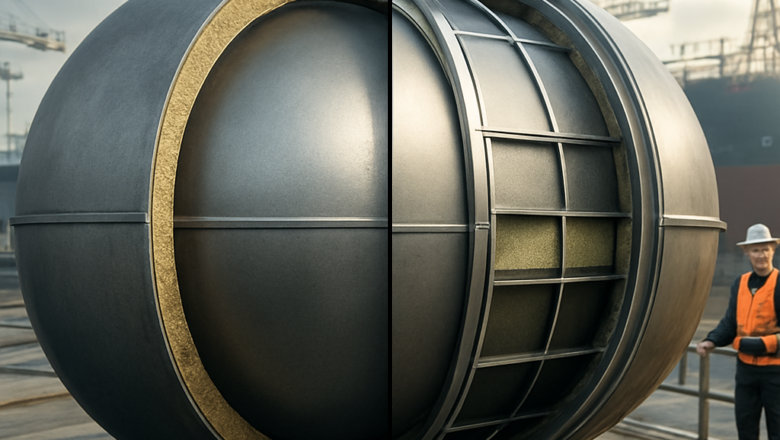
The Legacy of Spherical Tanks: Strength in Simplicity If you’ve ever seen an LNG carrier from the 1970s or 1980s, chances are it was a ship that looked like it was carrying a handful of giant, silver golf balls. Those weren’t just for show—they were Moss Rosenberg spherical tanks, the first true workhorses of the LNG shipping industry. And while today’s gas carriers might favor sleeker, more space-efficient designs, the spherical tank’s legacy is one of unshakable reliability, born from a time when engineers had to bet everything on a single, unproven concept. The Birth of a Bold Idea: Why Spheres Ruled the 1970s Picture the early days of LNG shipping: the world was just waking up to the idea of transporting natural gas across oceans, and the technology was, frankly, terrifying. We’re talk...
Toxic Voyages: The Hidden Dangers of VCM and Butadiene

Toxic Voyages: The Hidden Dangers of VCM and Butadiene

Gas Carriers
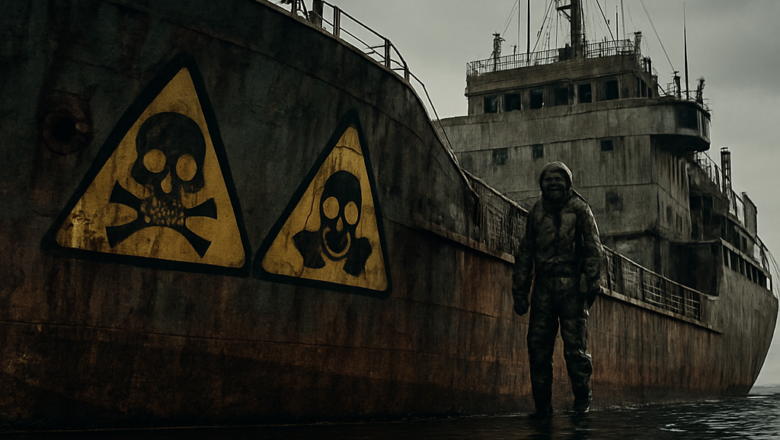
The Silent Threat: What Makes VCM and Butadiene So Deadly There’s a reason veteran seamen call it the "invisible killer." Vinyl chloride monomer (VCM) and 1,3-butadiene don’t announce their presence with the acrid bite of chlorine or the suffocating cloud of ammonia. Instead, they slip into the air—colorless, nearly odorless at dangerous concentrations—and begin their work long before anyone realizes something is wrong. These aren’t just hazardous chemicals; they’re systemic poisons, designed by industry to build everything from PVC pipes to synthetic rubber, yet utterly indifferent to the bodies they corrupt along the way. The Chemistry of Harm: Why These Gases Don’t Play Fair At room temperature, VCM is a volatile liquid that evaporates quickly, releasing a faint, sweetish odor—deceptive...
Gas Fleet Salaries 2024-2026: Who Pays the Most?

Gas Fleet Salaries 2024-2026: Who Pays the Most?

Gas Carriers
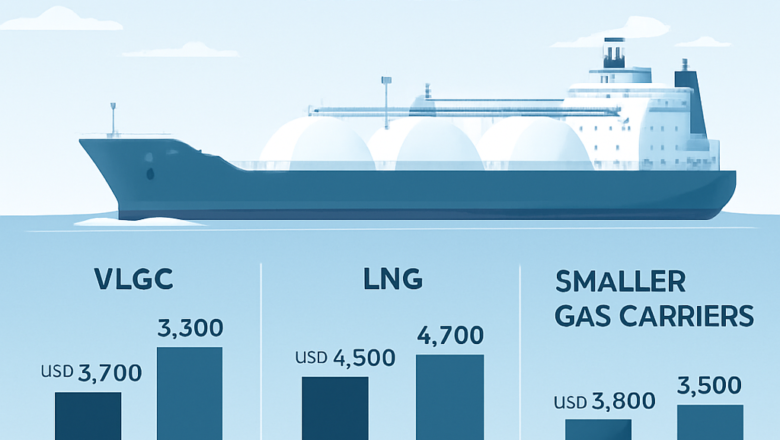
VLGC Salaries: Captains and Officers at the Top When it comes to commanding a Very Large Gas Carrier (VLGC), the financial rewards reflect the immense responsibility—and risk—of overseeing a vessel that can transport up to 84,000 cubic meters of liquefied petroleum gas (LPG) across oceans. These ships are the workhorses of the energy trade, and the men and women who run them are compensated accordingly. But not all VLGC roles are created equal. Salaries fluctuate based on experience, company policies, and even the subtle politics of maritime employment. Let’s break down what captains and chief officers can realistically expect in 2024-2025—and why some are pocketing significantly more than others. The Base Salary Breakdown: What’s the Going Rate? At the top of the hierarchy, VLGC captains ...
Fake Gas Carrier Jobs: How to Spot Scams & Avoid Fraud

Fake Gas Carrier Jobs: How to Spot Scams & Avoid Fraud

Blogs
Red Flags: How Scammers Lure Seafarers Picture this: You’re scrolling through job boards, maybe even checking your messages late at night, when an offer lands in your inbox. It’s for a Chief Engineer position on a gas carrier—$13,500 a month, no experience in LNG required, and they’re ready to fly you out next week. The catch? You need to pay a “medical clearance fee” upfront, just to secure your spot. Sound too good to be true? That’s because it almost always is. Scammers targeting seafarers have refined their tactics over the years, turning desperation and ambition into a lucrative business. They don’t just post fake job ads—they engineer entire narratives designed to bypass your skepticism. Here’s how they do it, and how to spot the traps before you’re the one left holding the bill. Th...
Switching to LPG Tankers: A Starter’s Roadmap

Switching to LPG Tankers: A Starter’s Roadmap

Gas Carriers
Why LPG? Weighing the Pros and Cons Switching from dry cargo to LPG tankers isn’t just a career move—it’s a lifestyle shift. The money might look tempting on paper, but the reality is far more complicated. For every seafarer who swears by the transition, there’s another who warns newcomers to think twice. So what’s the real deal? Let’s break it down, warts and all. The Money Talk: Bigger Paychecks, Bigger Trade-Offs There’s no denying it: LPG tankers pay better. A third officer on a VLGC (Very Large Gas Carrier) can earn 30-50% more than their counterpart on a Capesize bulker or a Post-Panamax container ship. Chief engineers? The gap widens even further. But here’s the catch—the pay bump isn’t just for showing up. It’s compensation for the added stress, longer hours, and the mental load of...
LPG Tanker Jobs: Entry Strategies & Hidden Risks

LPG Tanker Jobs: Entry Strategies & Hidden Risks

Gas Carriers
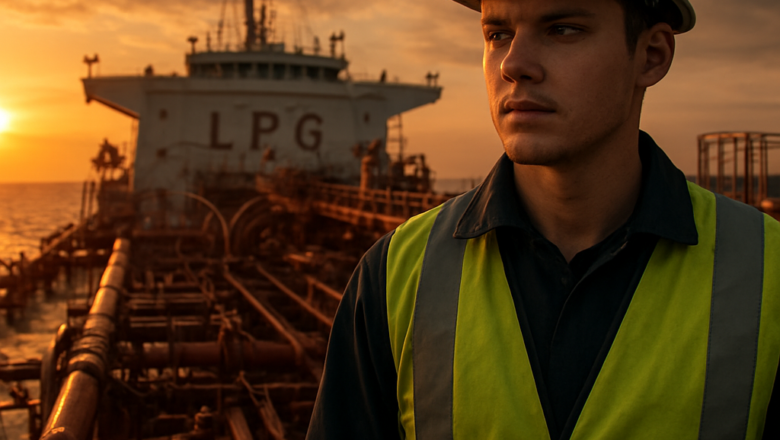
Breaking Into the LPG Sector: Best Entry Points If you're eyeing a career on LPG tankers but don’t yet have the specialized experience, the path forward isn’t about applying to the biggest names in the industry—at least not yet. The LPG sector, like many niche maritime fields, has its own unspoken hierarchy of employers, and breaking in often means starting with companies that operate smaller, less glamorous vessels. These are the outfits that don’t demand a decade of VLGC experience upfront but instead offer a proving ground for officers and engineers willing to cut their teeth on fully pressurized ships, ethylene carriers, or mid-sized gas tankers. Think of them as the maritime equivalent of a trade school: not always pretty, but where you earn your stripes. The most frequently cited "...
MARPOL Annex VI: Суда, Сера и Чистый Воздух Планеты

MARPOL Annex VI: Суда, Сера и Чистый Воздух Планеты

Blogs
Морской транспорт – это кровеносные сосуды мировой экономики, но его рост несет и серьезные экологические вызовы. Один из наиболее острых – загрязнение атмосферного воздуха. Именно здесь на сцену выходит Приложение VI к Международной конвенции МАРПОЛ, нацеленное на радикальное снижение вредных выбросов с судов, в первую очередь оксидов серы. Узнайте, как мир борется за чистый воздух, устанавливая строгие правила для судоходства.Что такое MARPOL Annex VI и почему оно важно? Международная конвенция по предотвращению загрязнения с судов, более известная как МАРПОЛ, является краеугольным камнем глобальных усилий по защите морской среды. Шестое ее Приложение (Annex VI), вступившее в силу в 2005 году, специально нацелено на борьбу с загрязнением атмосферного воздуха, исходящим от судов. Это Прил...