

Understanding the WDU-1 System Components
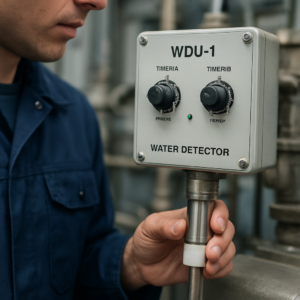 The WDU-1 water detection system is more than just a set of sensors and a control box—it’s a carefully engineered solution designed to safeguard your separator from the risks of excessive water contamination. At its core, the system relies on two primary components: the WDU-1 control unit and the stainless steel (SUS-304) sensor with Teflon insulation. Each plays a distinct role in ensuring accurate, reliable monitoring, and when they work together seamlessly, they minimize the chances of false alarms while maximizing protection for your equipment.
The Control Unit: The Brain of the Operation
The WDU-1 control unit is where the magic happens—or rather, where the data is processed, decisions are made, and alerts are triggered. Housed in a compact, industrial-grade enclosure, this unit is responsible for interpreting signals from the sensor and determining whether water levels have crossed the threshold for concern. But it’s not just a passive receiver; it’s an active participant in the detection process, thanks to its programmable features.
One of the standout features of the WDU-1 is its dual-timer system, which includes:
- Timer A (Stabilization Period, 1–99 seconds): This timer kicks in immediately after the system is powered on or reset. Its job is to give the sensor time to stabilize before any readings are taken. Why does this matter? Because when the system first starts up, electrical noise or residual moisture on the sensor can cause erratic readings. Timer A ensures that the sensor has a clean, steady baseline before the control unit begins monitoring. Think of it as letting the system “wake up” properly before it starts making critical decisions.
- Timer B (Alarm Delay, 1–99 minutes): This is where the system demonstrates its intelligence. Instead of triggering an alarm the instant it detects a potential issue, Timer B introduces a delay, allowing the control unit to confirm whether the high water content is a genuine concern or just a temporary anomaly. For example, if water splashes onto the sensor during normal separator operation, Timer B gives the system time to determine whether the water will drain away or if it’s a sign of a real problem. This delay is crucial for reducing false alarms, which can be just as disruptive as actual water contamination if they lead to unnecessary shutdowns or maintenance calls.
The control unit also features a clear, user-friendly interface, typically including LED indicators for power, alarm status, and system faults. Some models may include a digital display for more precise monitoring, though the core functionality remains the same: to provide real-time feedback on water levels and system health. The unit is designed to be mounted in a convenient location—often near the separator or in a control panel—where operators can quickly assess its status.
More information on How 20 People Command a Floating Giant
The Sensor: The Eyes and Ears of the System
If the control unit is the brain, the sensor is the system’s eyes and ears. The WDU-1 uses a stainless steel (SUS-304) sensor with Teflon insulation, a combination chosen for its durability, corrosion resistance, and reliability in harsh industrial environments. Let’s break down why this sensor is so critical to the system’s performance.
- Stainless Steel (SUS-304) Electrodes: The sensor’s electrodes are made from SUS-304, a grade of stainless steel known for its resistance to corrosion and oxidation. This is particularly important in separator applications, where the sensor is constantly exposed to oil, water, and potentially aggressive chemicals. Unlike cheaper materials that might degrade over time, SUS-304 ensures the sensor maintains its integrity and accuracy for years. The electrodes are typically arranged in a configuration that maximizes their sensitivity to water while minimizing interference from other substances, such as oil or sludge.
- Teflon Insulation: The Teflon insulation is what keeps the sensor’s readings precise and consistent. Teflon (polytetrafluoroethylene, or PTFE) is an ideal material for this role because it’s chemically inert, meaning it won’t react with the fluids it comes into contact with. It’s also an excellent electrical insulator, which prevents short circuits or signal leakage that could lead to false readings. Over time, however, Teflon can accumulate deposits—such as oil residue or mineral buildup—which is why regular inspection and cleaning are essential. A compromised insulator can cause the sensor to misread water levels, leading to either missed alarms or false positives.
The sensor is typically installed in a strategic location within the separator, where it can effectively monitor the water content in the oil. Common installation points include:
- The separator’s water outlet or drain line: This is often the most critical location, as it’s where water is naturally separated from the oil. Placing the sensor here allows it to detect water before it can re-enter the oil stream or accumulate to dangerous levels.
- The bottom of the separator tank: In some setups, the sensor is positioned at the lowest point of the tank, where water is most likely to settle. This is particularly useful in systems where water buildup is a chronic issue, as it provides early detection before water levels rise too high.
- Downstream of the separator, in the oil outlet line: In this configuration, the sensor acts as a final checkpoint, ensuring that no water is slipping through the separator and into downstream equipment. This is especially important in applications where even small amounts of water can cause damage, such as in hydraulic systems or high-precision machinery.
How the System Integrates with Samgong Separators
The WDU-1 system is designed to work seamlessly with Samgong separators, a popular choice in industries ranging from marine to industrial manufacturing. These separators are engineered to remove water and solid contaminants from oil, fuel, or other fluids, and the WDU-1 acts as a critical layer of protection to ensure they operate at peak efficiency.
In a typical Samgong separator setup, the WDU-1 system is integrated as follows:
- Pre-Separation Monitoring: In some configurations, the sensor is placed upstream of the separator to monitor the incoming fluid. This can help operators assess the level of contamination before the fluid even enters the separator, allowing them to adjust maintenance schedules or separator settings proactively.
- Post-Separation Verification: More commonly, the sensor is installed downstream of the separator to verify that the separation process is working as intended. If the sensor detects high water content in the “clean” oil, it’s a sign that the separator may need servicing—whether that means cleaning the coalescer elements, adjusting the flow rate, or checking for mechanical issues.
- Automated Shutdown or Alerts: Depending on the system’s configuration, the WDU-1 can be set up to trigger an alarm, activate a warning light, or even shut down the separator automatically if water levels exceed a predetermined threshold. This integration ensures that operators are immediately notified of potential issues, reducing the risk of equipment damage or costly downtime.
The Basic Operating Principles: How It All Comes Together
At its heart, the WDU-1 system operates on a simple but effective principle: electrical conductivity. Water is a far better conductor of electricity than oil, and the sensor exploits this difference to detect its presence. Here’s how it works in practice:
- Electrical Signal Transmission: The control unit sends a low-voltage electrical signal to the sensor’s electrodes. In a “clean” oil environment, this signal encounters high resistance because oil is a poor conductor. The control unit interprets this as a normal, low-water condition.
- Water Detection: When water comes into contact with the sensor’s electrodes, it creates a path of lower resistance for the electrical signal. The control unit detects this change in conductivity and interprets it as the presence of water. The more water present, the stronger the signal—and the higher the likelihood of an alarm being triggered.
- Signal Processing and Alarm Logic: The control unit processes the signal from the sensor, taking into account the settings of Timer A and Timer B. If the high-water condition persists beyond the delay set in Timer B, the unit triggers an alarm. This two-step verification process is what makes the WDU-1 so effective at avoiding false alarms while still providing timely alerts when real issues arise.
Why Each Component Matters
Every part of the WDU-1 system plays a non-negotiable role in its overall performance. Here’s why each component is indispensable:
- The Control Unit: Without the control unit’s processing power and programmable timers, the system would be little more than a basic on/off switch. The timers, in particular, are what give the WDU-1 its “intelligence,” allowing it to distinguish between a genuine water contamination event and a temporary anomaly. This reduces false alarms, which can be just as problematic as missed detections if they lead to complacency or unnecessary maintenance.
- The Sensor: The sensor is the system’s frontline worker, and its accuracy is directly tied to the quality of its materials and construction. The SUS-304 electrodes ensure durability and resistance to corrosion, while the Teflon insulation guarantees that the sensor’s readings remain consistent over time. A poorly maintained sensor—whether due to dirty electrodes or compromised insulation—can lead to false alarms or, worse, missed detections that allow water to damage your equipment.
- Integration with the Separator: The WDU-1 isn’t a standalone device; it’s part of a larger ecosystem designed to keep your separator running smoothly. Proper integration ensures that the system is monitoring the right points in the fluid stream and that its alarms are tied into the broader control and safety mechanisms of your setup. Without this integration, the system’s effectiveness is severely diminished.
In the end, the WDU-1 system is a testament to the idea that reliability is built into the details. From the corrosion-resistant sensor to the programmable timers in the control unit, every component is designed to work together seamlessly, providing accurate, actionable data that helps you keep your separator—and your entire operation—running smoothly. But like any precision instrument, its performance depends on proper installation, regular maintenance, and a clear understanding of how each part contributes to the whole.