
Monday, July 27
Shadow

Gas Carriers

Welcome to the GAS CARRIERS section at SEAMEN.ES, your specialized hub dedicated to one of the most dynamic and high-tech segments of the maritime industry. We provide in-depth analysis, expert reports, and the latest news covering the transportation of Liquefied Natural Gas (LNG), Liquefied Petroleum Gas (LPG), and other specialized gas cargoes.

Why explore our Gas Carrier resources?

Advanced Technology & Innovation: Discover the latest developments in containment systems, cargo handling equipment, and propulsion technologies used in modern gas shipping.

Operational Excellence: Learn from industry experts about the technical nuances of managing gas carriers, including cargo operation procedures and maintenance best practices.

Safety & Environmental Standards: Stay informed on the rigorous safety protocols (SIGTTO guidelines, etc.) and environmental regulations essential for the carriage of hazardous gas cargoes.

Market Trends: Gain insights into the global LNG/LPG market, key industry players, and the future outlook of the energy shipping sector.

Our mission is to bridge the gap between technical expertise and industry intelligence. Whether you are a crew member looking to expand your technical knowledge or a professional following market developments, our Gas Carriers section offers the critical data you need.

Stay at the forefront of the gas shipping industry. Follow our GAS CARRIERS section to keep up with the technical and operational advancements shaping the future of energy transportation.

Elite LPG Leadership: Master & CE Perks Unveiled

Elite LPG Leadership: Master & CE Perks Unveiled

Gas Carriers
The Interview Gauntlet: How LPG Companies Vet Masters and CEs Earning a seat at the table—or in this case, the bridge or engine control room—of a top-tier LPG company isn’t just about logging sea time. It’s about surviving a multi-stage interview process so rigorous it feels like running an obstacle course blindfolded. For Masters and Chief Engineers eyeing positions at companies like BW, MOL, or Navigator Gas, the vetting process is designed to separate the merely competent from the truly exceptional. And it starts long before you step into the interview room. The Stages: A Marathon, Not a Sprint Unlike entry-level interviews, which often focus on basic technical knowledge and seafaring fundamentals, the process for senior officers is a multi-layered gauntlet that can stretch over months....

Sanctions at Sea: The Hidden Risks of ‘Gray’ Cargo Jobs

Sanctions at Sea: The Hidden Risks of ‘Gray’ Cargo Jobs

Gas Carriers
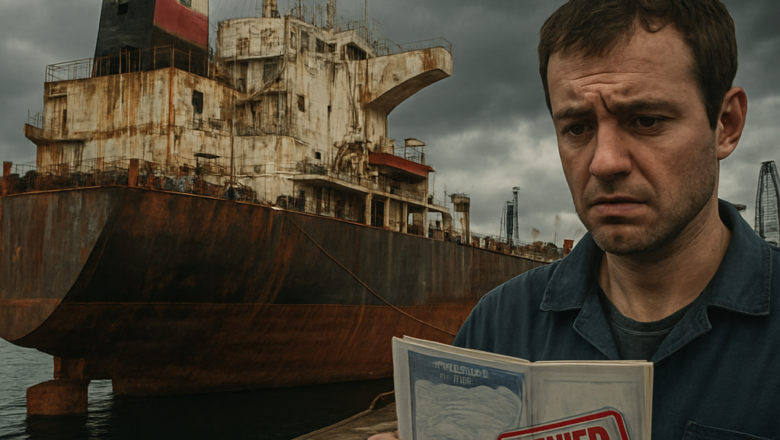
The Allure of High-Risk, High-Reward Shipping Jobs There’s a reason why the maritime industry has always had its share of gamblers—men and women willing to roll the dice on jobs that promise big payouts but come with even bigger risks. For some seafarers, the decision to sign onto a sanctioned vessel isn’t born out of ignorance or desperation, but a calculated bet on the chance to earn in a few months what others make in a year. The ships may fly under false flags, the cargo manifests might be forged, and the ports of call could be in nations under heavy sanctions, but the money? That’s very, very real. Take the Ullswater, for example—a vessel that’s become something of a legend in certain circles. Officially, it’s just another gas carrier plying its trade in the Mediterranean. Unofficial...
VLAC & VLEC Ships: The Next Wave in Gas Transport

VLAC & VLEC Ships: The Next Wave in Gas Transport

Gas Carriers
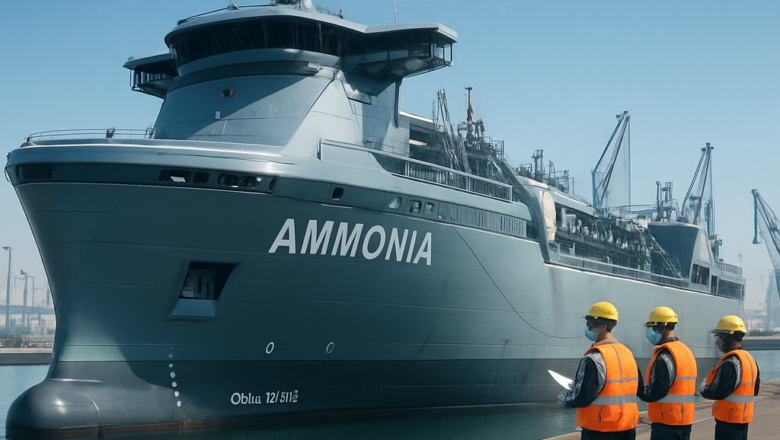
The Rise of VLAC and VLEC: Why Now? The maritime industry is no stranger to evolution, but the sudden surge in Very Large Ammonia Carriers (VLACs) and Very Large Ethane Carriers (VLECs) feels less like a gradual shift and more like a full-throttle sprint toward the future. These aren’t just bigger ships—they’re vessels built for a world that’s rapidly redefining what it means to move energy. So why now? The answer lies in a perfect storm of market forces, geopolitical upheavals, and an urgent global push toward decarbonization. Let’s break it down. The Ammonia Revolution: More Than Just a Fertilizer For decades, ammonia was the quiet workhorse of the agricultural industry—a critical component in fertilizers, but hardly the stuff of maritime headlines. That’s changed. Today, ammonia is bein...
Life at Sea: Internet & Food Realities on LPG Ships

Life at Sea: Internet & Food Realities on LPG Ships

Gas Carriers
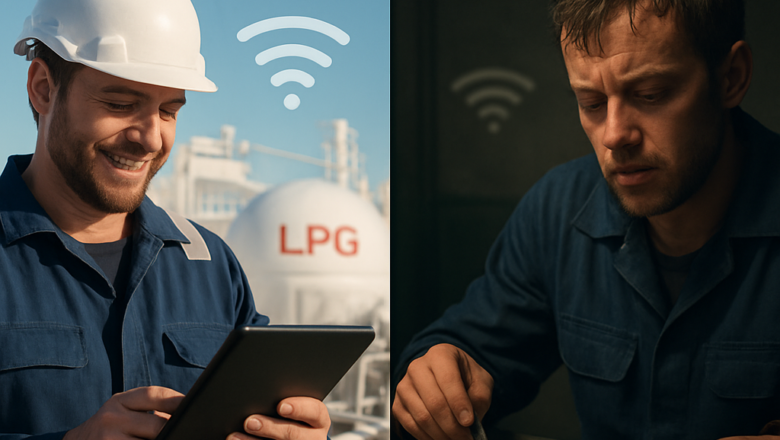
The Digital Divide: Internet Access Across LPG Fleets For seafarers, the ocean isn’t just a workplace—it’s a temporary home. And in 2024, home isn’t home without the internet. Yet, when it comes to connectivity on LPG vessels, the gap between the haves and have-nots is as vast as the waters these ships traverse. Some companies treat Wi-Fi like a basic necessity, while others ration it like a scarce commodity, leaving crews to navigate a frustrating digital divide that shapes everything from morale to mental health. Take Dorian LPG, for example. Their decision to equip vessels with Starlink—offering crews 2–3 GB of data per day—has been a game-changer. For the first time, sailors can video-call their families without buffering, stream a movie after a long shift, or even attend an online co...
Handling Hazardous Cargo: VCM, Butadiene & Ammonia Risks

Handling Hazardous Cargo: VCM, Butadiene & Ammonia Risks

Gas Carriers
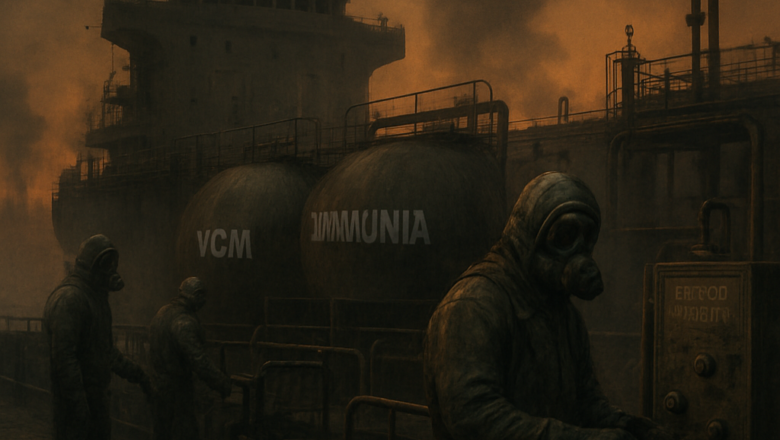
The Deadly Chemistry: Why VCM and Butadiene Are Cancer Risks There’s a reason why some chemicals earn the label "silent killers." They don’t announce their danger with immediate burns or choking fumes—no, they work quietly, insidiously, rewriting the body’s blueprint cell by cell until years later, the damage surfaces in ways no one saw coming. Vinyl chloride monomer (VCM) and 1,3-butadiene are two such chemicals. Both are cornerstones of the petrochemical industry, shipped in vast quantities across oceans, yet their true cost isn’t measured in barrels or profits, but in the lives of the workers who handle them. To understand why these substances are so feared, you have to start with their chemistry—and how it turns them into ticking time bombs for human health. The Molecular Menace: How V...
Sanctioned Ships: Iran-China Route & Career Risks

Sanctioned Ships: Iran-China Route & Career Risks

Gas Carriers
The Iran-China Trade Route: A Sanctions Hotspot The maritime corridor stretching from Iran’s oil-rich ports to China’s industrial hubs isn’t just another shipping lane—it’s one of the most heavily contested trade routes in the world. At the heart of this tension lies a simple economic reality: Iran, cut off from much of the global financial system by U.S. sanctions, relies on China as its largest customer for crude oil and condensate. In return, China secures a steady supply of discounted energy, often at prices well below market rates. But this transaction comes with a steep geopolitical cost. Every barrel of Iranian oil that reaches Chinese shores does so in defiance of U.S. sanctions, turning the vessels that transport it into moving targets for enforcement agencies like the Office of F...
Dual-Fuel Engines: The Future of Maritime Power

Dual-Fuel Engines: The Future of Maritime Power

Gas Carriers
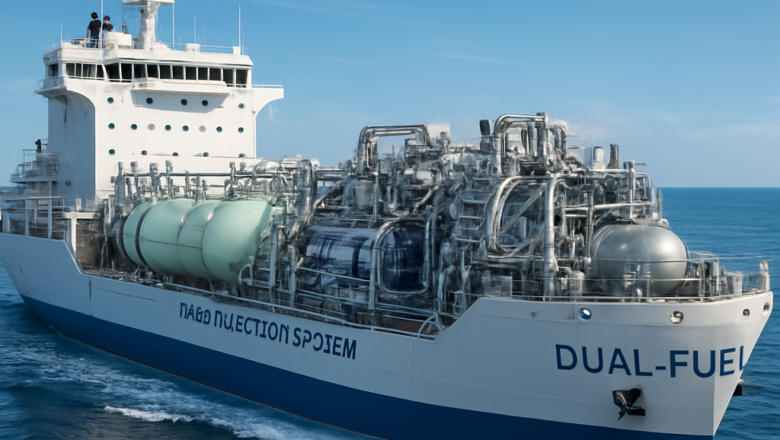
The Rise of Dual-Fuel Technology in Shipping The maritime industry is undergoing one of its most significant transformations in over a century. The once-dominant roar of heavy fuel oil (HFO) engines is gradually being replaced by the quieter, cleaner hum of dual-fuel (DF) systems—a shift driven not just by innovation, but by necessity. As the world tightens its grip on emissions regulations and the clock ticks toward 2030 and 2050 deadlines, shipowners and operators are racing to adopt engines capable of running on both conventional fuels and cleaner alternatives like liquefied petroleum gas (LPG), ethane, and ammonia. This isn’t just a trend; it’s a fundamental reimagining of how ships are powered. The Push for Cleaner Fuels: Environmental and Regulatory Drivers The writing has been on th...
Life at Sea: The Harsh Reality of Food on Ships

Life at Sea: The Harsh Reality of Food on Ships

Gas Carriers
The Menu No One Asked For Imagine waking up after a grueling 12-hour shift, your body aching, your stomach growling—only to be greeted by a steaming plate of chicken feet, their scaly skin glistening under the fluorescent lights of the ship’s mess. Or perhaps it’s a bowl of pig trotters, the gelatinous texture of the skin sticking to your fork as you poke at it half-heartedly. For many seafarers aboard Pacific Gas and Dorian vessels, this isn’t a nightmare. It’s just Tuesday. The complaints about the food on these ships aren’t just about taste—they’re about survival. When your job demands physical endurance, mental sharpness, and the ability to function in high-stress environments, the last thing you need is a meal that feels like a cruel joke. Yet, time and time again, sailors describe o...
Cargo Containment Systems: Spheres to Membranes

Cargo Containment Systems: Spheres to Membranes

Gas Carriers
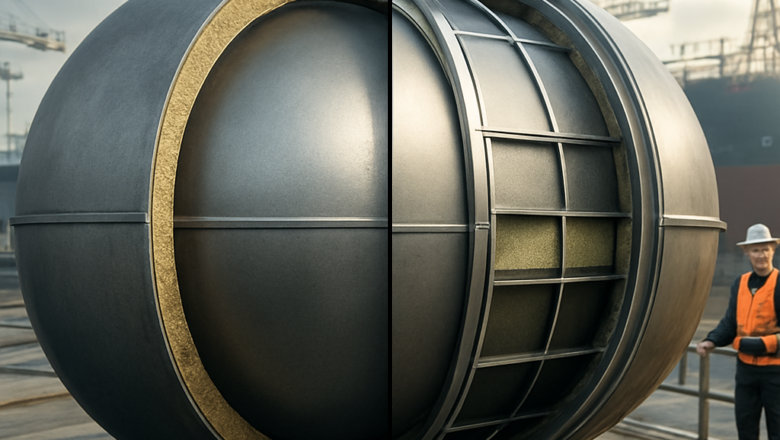
The Legacy of Spherical Tanks: Strength in Simplicity If you’ve ever seen an LNG carrier from the 1970s or 1980s, chances are it was a ship that looked like it was carrying a handful of giant, silver golf balls. Those weren’t just for show—they were Moss Rosenberg spherical tanks, the first true workhorses of the LNG shipping industry. And while today’s gas carriers might favor sleeker, more space-efficient designs, the spherical tank’s legacy is one of unshakable reliability, born from a time when engineers had to bet everything on a single, unproven concept. The Birth of a Bold Idea: Why Spheres Ruled the 1970s Picture the early days of LNG shipping: the world was just waking up to the idea of transporting natural gas across oceans, and the technology was, frankly, terrifying. We’re talk...
Toxic Voyages: The Hidden Dangers of VCM and Butadiene

Toxic Voyages: The Hidden Dangers of VCM and Butadiene

Gas Carriers
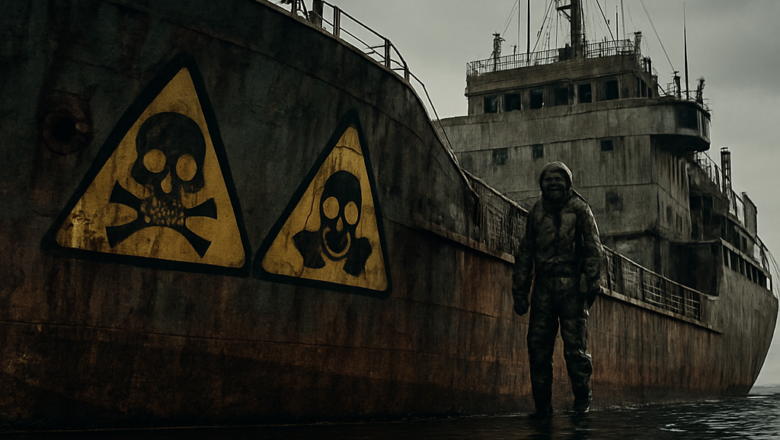
The Silent Threat: What Makes VCM and Butadiene So Deadly There’s a reason veteran seamen call it the "invisible killer." Vinyl chloride monomer (VCM) and 1,3-butadiene don’t announce their presence with the acrid bite of chlorine or the suffocating cloud of ammonia. Instead, they slip into the air—colorless, nearly odorless at dangerous concentrations—and begin their work long before anyone realizes something is wrong. These aren’t just hazardous chemicals; they’re systemic poisons, designed by industry to build everything from PVC pipes to synthetic rubber, yet utterly indifferent to the bodies they corrupt along the way. The Chemistry of Harm: Why These Gases Don’t Play Fair At room temperature, VCM is a volatile liquid that evaporates quickly, releasing a faint, sweetish odor—deceptive...