
Friday, September 18
Shadow

Posts

Seafarer Blogs & Maritime Insights: Your Guide to Life at Sea
Welcome to the seamen.es Article Hub! Discover firsthand seafarer blogs, expert maritime career advice, industry updates, and essential tips for upgrading your qualifications. We bridge the gap between greenhorns and experienced mariners by delivering verified, practical knowledge straight from the fleet. Stay informed, upgrade your skills, and navigate your maritime career with confidence.

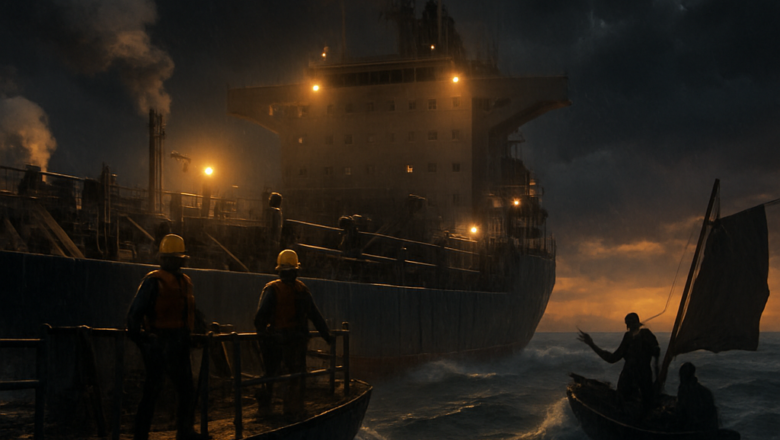
Pirates of the 21st Century: Defending a Tanker

Pirates of the 21st Century: Defending a Tanker

Blogs
I still remember the smell of the old Soviet cinema—dusty velvet seats, the faint tang of machine oil from the projector, and the collective gasp of the audience as the screen flickered to life. It was 1979, and I was ten years old, sitting in the fourth row of our local movie theater in a small industrial town, my eyes glued to the grainy image of «Pirates of the 20th Century». For two hours, I was transported into a world of swashbuckling villains, daring escapes, and heroic Soviet sailors outsmarting modern-day buccaneers. The pirates in that film were almost romantic—charismatic, cunning, and, in their own way, almost noble. They wore bandanas, carried cutlasses, and spoke in dramatic, theatrical tones. To my young mind, piracy was a relic of the past, a thrilling adventure confined to...
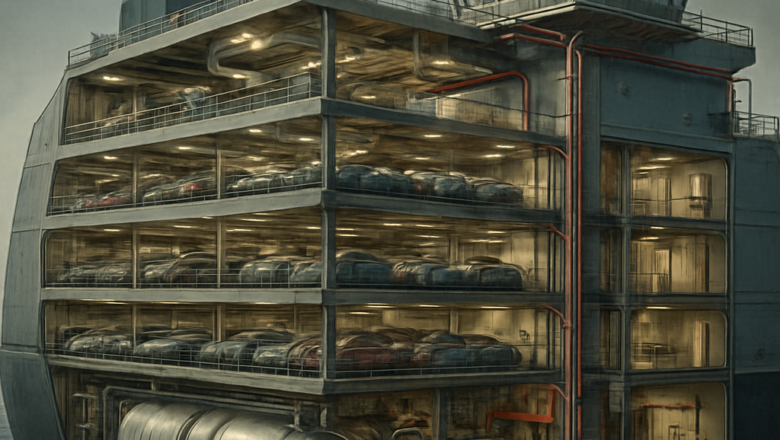
Life Support & Safety Aboard Car Carrier Ships

Life Support & Safety Aboard Car Carrier Ships

Insights
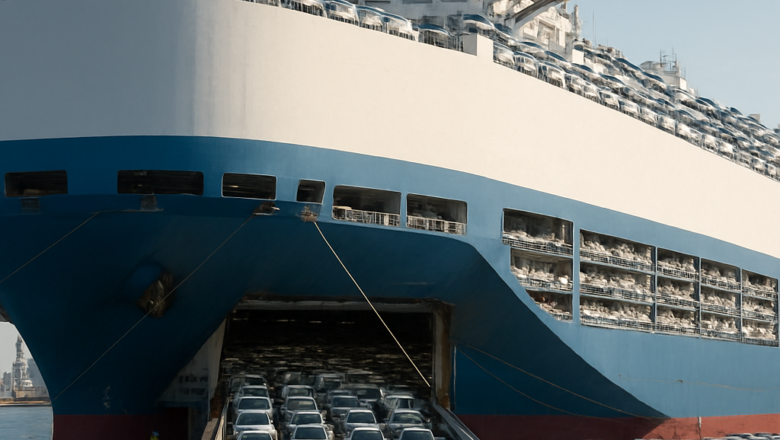
Powering the Voyage: Engines, Fuel, and the LNG Shift If you’ve ever stood on a dock watching a Ro-Ro car carrier glide into port, you might not give much thought to what’s happening below deck. But beneath those towering stacks of vehicles lies the beating heart of the ship: its propulsion system. For decades, that heart ran on heavy fuel oil (HFO)—a thick, tar-like residue left over from refining crude oil. It was cheap, energy-dense, and, until recently, the undisputed king of maritime fuel. But like a diesel-guzzling muscle car in an age of electric Teslas, HFO’s days are numbered. The shipping industry is in the middle of a fuel revolution, and at the center of it is liquefied natural gas (LNG). The Heavy Fuel Oil Era: Power at a Price For most of the 20th century, HFO was the workhor...
Loading 9,000 Cars: The Physics of Maritime Logistics

Loading 9,000 Cars: The Physics of Maritime Logistics

Insights
The Blueprint: Pre-Loading Planning and Digital Simulations Long before the first car rolls onto the ramp of a RoRo vessel, an invisible but meticulously crafted battle plan is already in motion. Loading 9,000 vehicles onto a ship isn’t just about squeezing them in—it’s a high-stakes puzzle where every inch of space, every ton of weight, and every degree of stability must be calculated with surgical precision. Today, shipping companies don’t leave this to chance. Instead, they rely on advanced digital tools, 3D modeling, and real-time simulations to turn what was once a logistical nightmare into a streamlined, data-driven operation. At the heart of this process is stowage planning software, a digital command center where port planners, ship officers, and logistics teams collaborate to des...
Inside PCTC & PCC Ships: Engineering the Ocean Giants

Inside PCTC & PCC Ships: Engineering the Ocean Giants

Insights
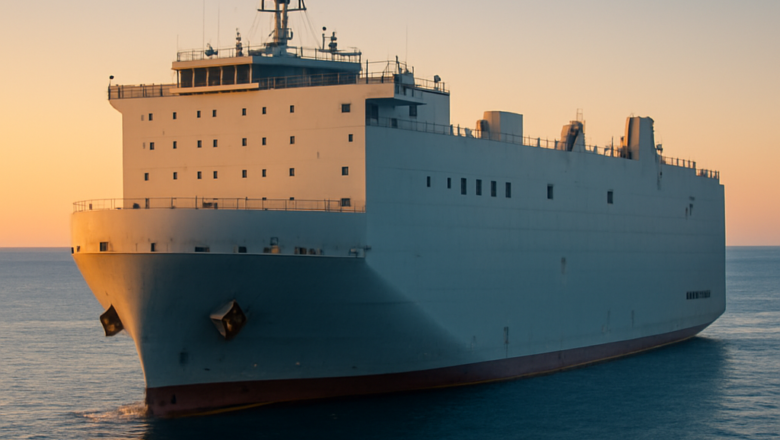
The Evolution of Ro-Ro: From Concept to Modern PCTC and PCC Ships The story of Ro-Ro (Roll-on/Roll-off) vessels is one of maritime ingenuity meeting the relentless demands of global trade. What began as a niche solution for military logistics in the mid-20th century has since blossomed into a cornerstone of automotive and heavy equipment transportation. The evolution of these ships—from rudimentary ferries to today’s towering PCTC (Pure Car and Truck Carriers) and PCC (Pure Car Carriers) giants—reflects broader shifts in economics, technology, and even environmental policy. To understand how we arrived at the sleek, multi-decked behemoths that now dominate the seas, we need to rewind to an era when the very idea of driving a truck onto a ship was revolutionary. The Birth of an Idea: Milita...
How 20 People Command a Floating Giant

How 20 People Command a Floating Giant

Insights
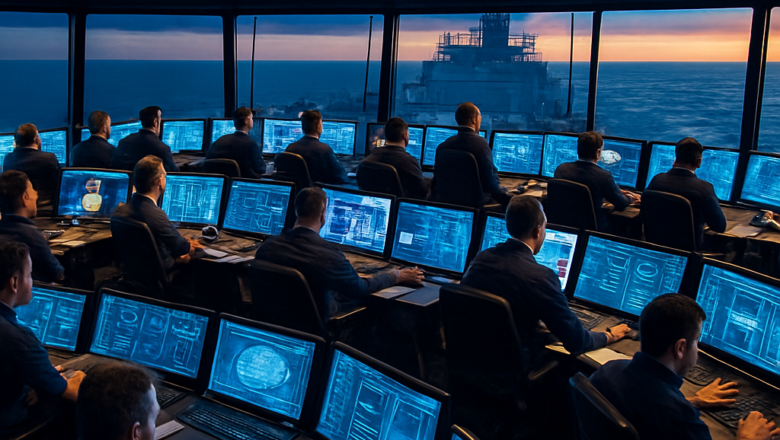
The Brain Behind the Beast: Command Center at Sea Step onto the bridge of a modern LNG tanker, and you might mistake it for the flight deck of a spaceship—or at least the control room of a nuclear power plant. Gone are the days of wooden wheels, brass telegraphs, and crews scrambling across decks with handwritten logs. This is a place where 20 people oversee a 282-meter-long leviathan with the precision of a Swiss watch and the adaptability of a living organism. The bridge isn’t just where the ship is steered; it’s the nerve center where navigation, engineering, and cargo operations converge in real time, all under the watchful eye of integrated digital systems that never blink. The Digital Helm: Where Steel Meets Silicon The first thing that strikes you is the absence of a traditional hel...
Beneath the Waves: The Hidden War on Internet Cables

Beneath the Waves: The Hidden War on Internet Cables

Insights
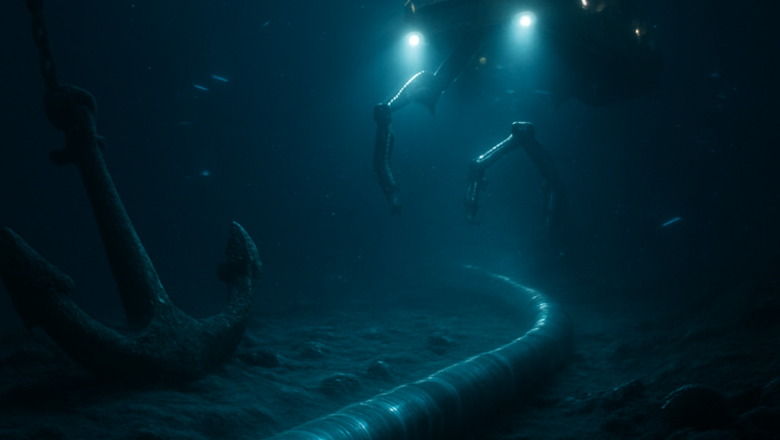
The Invisible Battlefield: Why Underwater Cables Are Under Siege Beneath the ocean’s surface, a silent war rages—one that most of us never see but all of us depend on. The world’s internet, financial markets, and even military communications rely on a sprawling network of deep-sea cables, thin as garden hoses yet tough enough to withstand crushing pressures. Yet despite their armored exteriors, these underwater lifelines face relentless threats. Some come from the depths themselves; others, from the very hands of those who benefit from them. The battlefield is invisible, but the stakes couldn’t be higher. So who—or what—is waging this war? The answer might surprise you. Forget the Hollywood image of saboteurs in submarines or razor-toothed sharks gnawing at fiber optics. The real culprits...
Arctic Logistics: Icebreaking LNG Carriers & Laser-Guided Docking

Arctic Logistics: Icebreaking LNG Carriers & Laser-Guided Docking

Gas Carriers
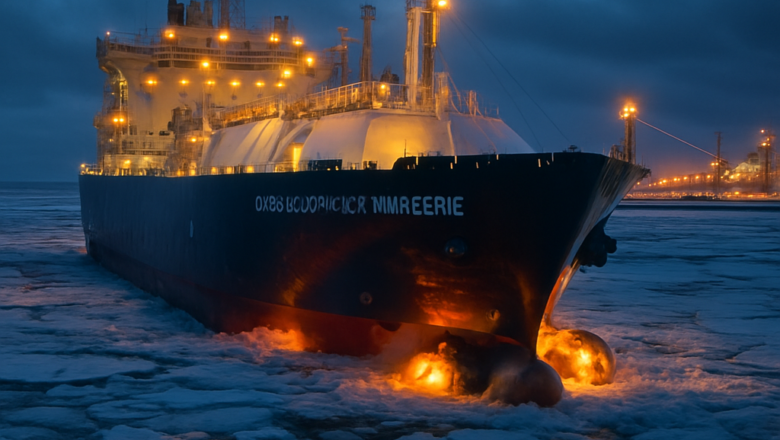
The Arctic’s New Highway: Why the Northern Sea Route Matters For centuries, the Arctic was a frozen frontier—remote, impassable, and largely irrelevant to global trade. Today, it’s the world’s most disruptive shipping lane. The Northern Sea Route (NSR), a 3,000-nautical-mile corridor hugging Russia’s northern coast, has emerged as a game-changer for energy transport, slashing transit times between Europe and Asia by up to 40% compared to traditional routes. But its rise isn’t just about efficiency—it’s a high-stakes geopolitical chess move, an environmental tightrope walk, and a bet on a thawing Arctic that could reshape the global economy. The Distance Advantage: A Shortcut That Cuts More Than Miles Picture this: A liquefied natural gas (LNG) tanker leaves Norway’s Hammerfest terminal bou...
The Giant Thermos: Engineering LNG Storage

The Giant Thermos: Engineering LNG Storage

Gas Carriers
The Physics of Liquefaction: Why Gas Must Become Liquid Natural gas, primarily methane, is a ghost in its gaseous state—invisible, diffuse, and nearly impossible to contain in meaningful quantities. To harness its energy, we must perform a kind of alchemy: transforming it from an ethereal vapor into a dense, transportable liquid. This transformation isn’t just convenient—it’s a scientific necessity. Without liquefaction, the global trade in natural gas would collapse, and with it, the energy security of nations that rely on imports. But how does this process work? And why does methane, a gas that fills a room at room temperature, shrink to 1/600th of its volume when cooled to -163°C? The Science of Shrinking: Temperature, Pressure, and the Battle Against Molecules At its core, liquefaction...
How Giant Ships Weave Earth’s Digital Web

How Giant Ships Weave Earth’s Digital Web

Insights
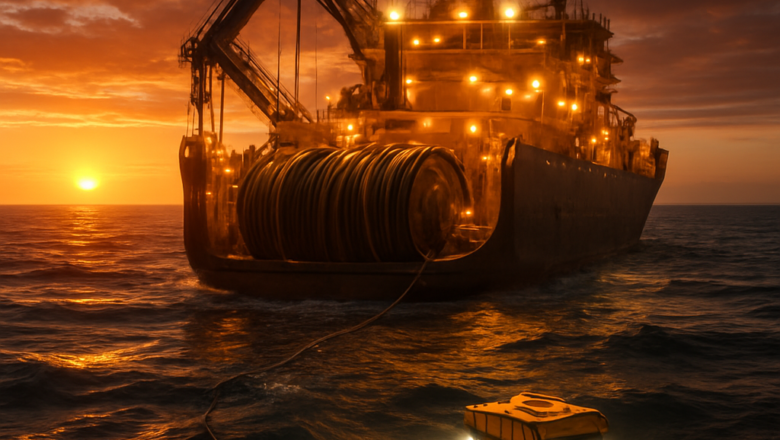
Mapping the Abyss: The Art of Seafloor Cartography Before a single meter of cable touches the ocean floor, the seabed itself must be unraveled like an ancient, waterlogged scroll. This is the domain of seafloor cartography—a discipline where science meets intuition, and where a misplaced decimal point can reroute a $300 million project straight into the jaws of an underwater canyon. The process begins not with steel and fiber, but with sound: pulses of sonar fired into the abyss, painting the darkness in echoes. Specialized survey vessels, often retrofitted research ships or purpose-built hydrographic craft, crisscross the proposed cable route in overlapping grids. Their primary tool? Multibeam echosounders—arrays of transducers mounted along the hull that emit fan-shaped acoustic waves, ...
Surviving the Deep Freeze: How LNG Carriers Defy Disaster

Surviving the Deep Freeze: How LNG Carriers Defy Disaster

Gas Carriers
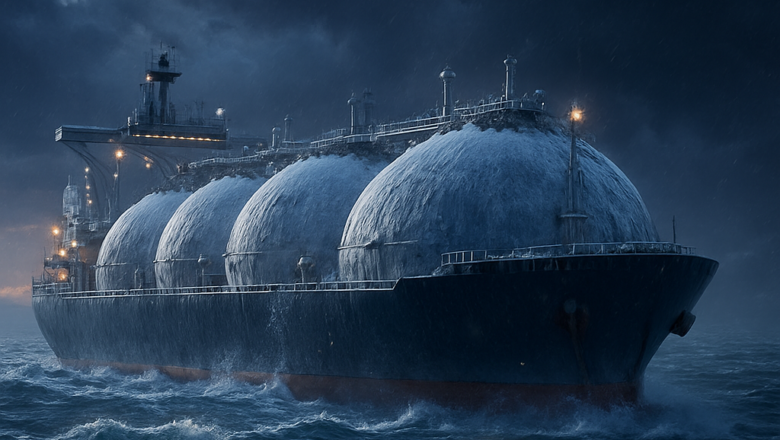
The Boil-Off Gas Dilemma: Turning Waste into Power Picture this: a 300-meter-long LNG carrier slicing through tropical waters, its insulated tanks filled with methane chilled to -162°C. Despite the best efforts of engineers, the laws of physics refuse to be ignored. Even in the most advanced containment systems, heat from the outside world—whether it’s the relentless sun beating down on the deck or the warmer seawater lapping against the hull—slowly infiltrates the cargo holds. This thermal intrusion triggers an inevitable process: boil-off gas (BOG). Methane, the primary component of LNG, begins to evaporate, transitioning from a dense liquid into a lighter-than-air vapor. Left unchecked, this evaporation would turn the tanks into pressure cookers, with the gas expanding and threatening t...