
Friday, September 18
Shadow

Posts

Seafarer Blogs & Maritime Insights: Your Guide to Life at Sea
Welcome to the seamen.es Article Hub! Discover firsthand seafarer blogs, expert maritime career advice, industry updates, and essential tips for upgrading your qualifications. We bridge the gap between greenhorns and experienced mariners by delivering verified, practical knowledge straight from the fleet. Stay informed, upgrade your skills, and navigate your maritime career with confidence.

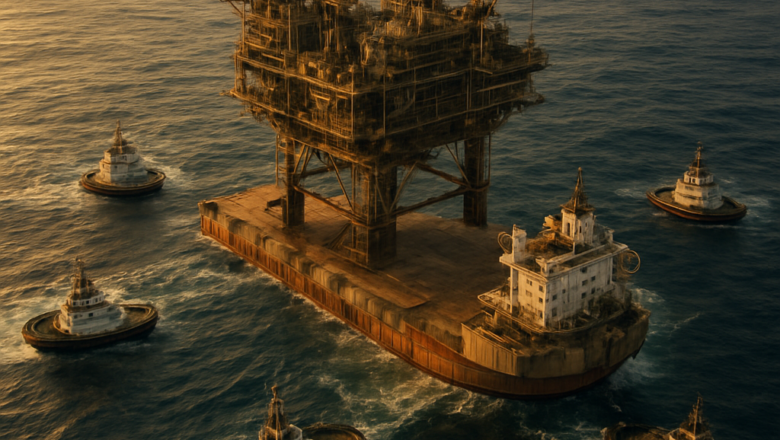
Moving the Giants: Offshore Heavy Lift Logistics

Moving the Giants: Offshore Heavy Lift Logistics

Insights
The Science of Stability: Keeping Billion-Dollar Cargo Upright When you’re hauling a structure the size of a skyscraper across the open ocean, stability isn’t just important—it’s everything. Offshore platforms, some weighing over 50,000 tons, represent not only a massive financial investment but also a logistical puzzle where the laws of physics dictate every decision. The margin for error? Virtually none. A single miscalculation in stability control can turn a routine transport operation into a multi-million-dollar disaster, or worse, a tragedy at sea. This is where the science of ballasting steps in—not as a supporting act, but as the backbone of the entire operation. The Delicate Art of Ballasting: More Than Just Filling Tanks Ballasting is often misunderstood as simply pumping water in...
Z-Drive Tugs: The Revolution in Ship Maneuverability

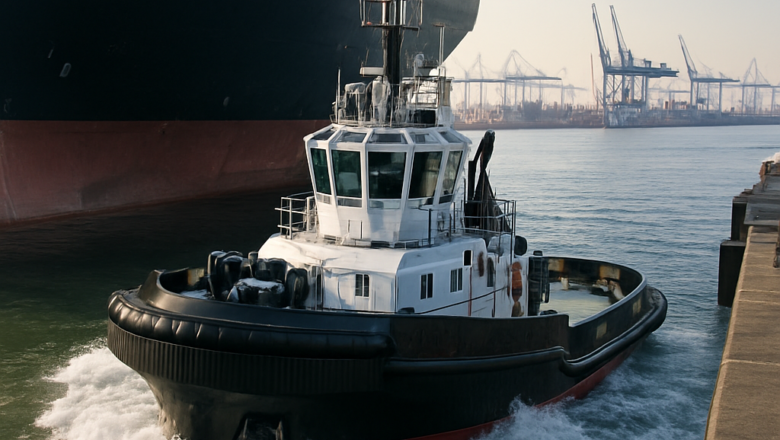
Z-Drive Tugs: The Revolution in Ship Maneuverability

Blogs
From Fixed Propellers to 360-Degree Freedom The evolution from traditional fixed-propeller tugs to modern Z-drive systems didn’t just refine harbor operations—it rewrote the rules of maritime maneuverability. For over a century, tugs relied on a straightforward but limiting design: a single, rigidly mounted propeller at the stern, often paired with a rudder to steer. While effective for basic pushing and pulling, this setup forced tugs into a constant dance of repositioning, wasting time, fuel, and precision. The arrival of azimuth thrusters—commonly known as Z-drives—changed everything. By mounting the propeller on a rotating gondola beneath the hull, engineers unlocked a level of control that turned tugs from brute-force workhorses into surgical instruments of the sea. The Mechanics Behi...
Float-On: The High-Stakes Dance of Offshore Rig Loading

Float-On: The High-Stakes Dance of Offshore Rig Loading

Insights
The Rig’s Transformation: From Working Platform to Transport-Ready An oil rig in its operational state is a marvel of engineering—a towering, semi-submersible structure designed to withstand the relentless forces of the open sea. But before it can be towed to a new location, it must undergo a radical transformation. This isn’t just a matter of flipping a switch; it’s a high-stakes ballet of physics, precision, and split-second decision-making. The goal? To shift the rig from its stable, working configuration into a transport-ready state—light enough to float, yet balanced enough to avoid catastrophe. The process begins with de-ballasting, a critical operation where every gallon of water pumped out of the rig’s pontoons alters its center of gravity. One miscalculation, and the entire struct...
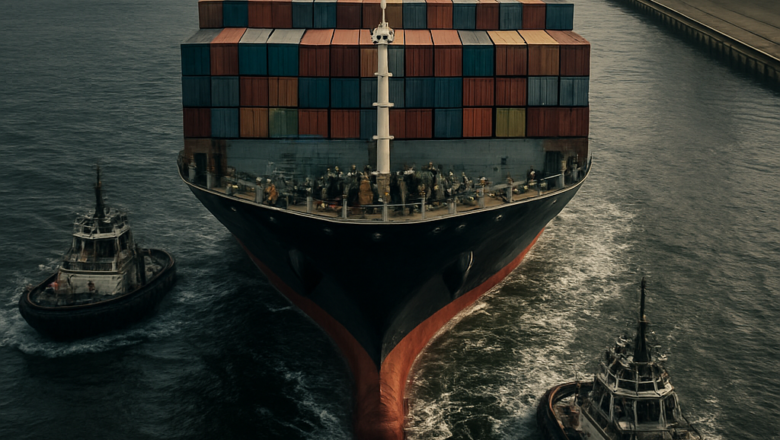
Tugboat Physics: How 300 Tons Controls 200,000 Tons

Tugboat Physics: How 300 Tons Controls 200,000 Tons

Blogs
The Challenge of Inertia: Why Big Ships Can’t Stop on a Dime Picture this: a 220,000-ton container ship slicing through the ocean at 23 knots—roughly 26 miles per hour. To the untrained eye, it might look like a floating skyscraper, serene and unshakable. But beneath that calm exterior lies a physics problem so stubborn it could fill a textbook. That problem is inertia, the unyielding force that keeps objects in motion unless acted upon by an external force. And when that object is a vessel the size of a small city, inertia doesn’t just whisper—it roars. Inertia isn’t just about weight; it’s about momentum, the product of mass and velocity. A Triple E-class ship, the behemoth of modern maritime trade, carries enough momentum at cruising speed to make stopping feel like trying to halt a ru...
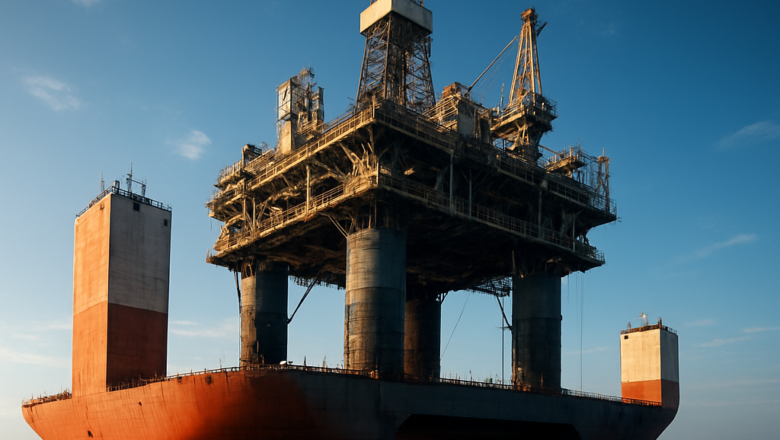
Floating Giants: The Engineering of Semi-Submersible Ships

Floating Giants: The Engineering of Semi-Submersible Ships

Insights
The Anatomy of a Maritime Titan At first glance, a semi-submersible heavy-lift vessel looks like something plucked from the pages of a sci-fi novel—less a ship than a floating industrial fortress. Unlike conventional cargo vessels, which are designed to slice through waves with sleek, streamlined hulls, these maritime titans prioritize raw strength and adaptability over speed or hydrodynamic elegance. Their architecture is a study in controlled contradiction: massive yet precise, rigid yet flexible, built to defy the ocean’s whims while carrying payloads that would make most ships sink like stones. To understand how they function, you must first dissect their three defining structural components—the superstructure, the cargo deck, and the buoyancy towers—each a marvel of engineering in its...
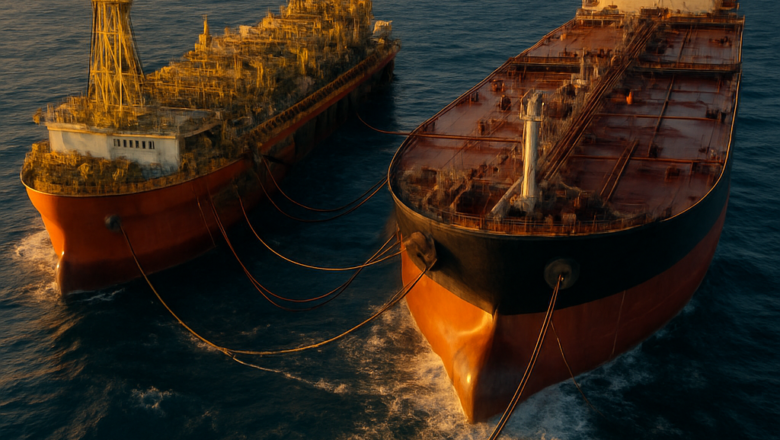
The Logistics of Giants: Loading Oil onto VLCC Supertankers

The Logistics of Giants: Loading Oil onto VLCC Supertankers

Insights
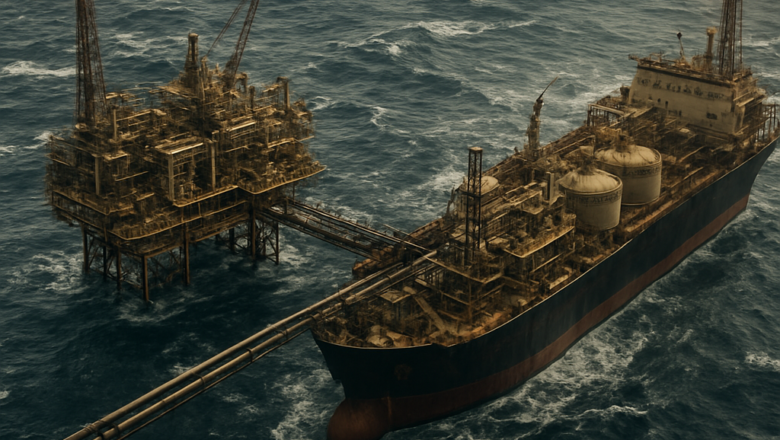
The Arrival: Guiding a 330-Meter Giant to Dock Picture this: a floating skyscraper, longer than the Eiffel Tower laid on its side, inching toward an offshore oil platform with the delicacy of a surgeon’s scalpel. That’s a Very Large Crude Carrier (VLCC) in the final stretch of its journey—a 330-meter behemoth carrying enough crude oil to fuel a small country. But before a single barrel can be pumped aboard, this steel leviathan must perform one of the most nerve-wracking ballets in the maritime world: docking alongside an FPSO (Floating Production Storage and Offloading unit) in the middle of the open ocean. There are no docks here, no calm harbors—just the relentless motion of the sea, the whisper of wind, and the ever-present risk of catastrophe if even a single calculation is off. The ...
Loading LNG: From Tank Prep to Thermodynamic Control

Loading LNG: From Tank Prep to Thermodynamic Control

Gas Carriers
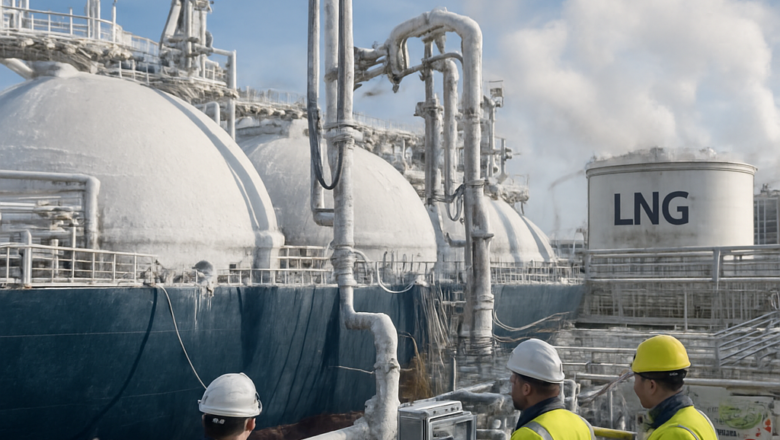
Why Tank Preparation is Non-Negotiable Imagine pouring a glass of ice-cold water into a scalding hot mug. The sudden temperature shock doesn’t just crack the ceramic—it shatters it. Now scale that up to a 150,000-cubic-meter LNG tank, where the stakes aren’t just a broken dish but catastrophic structural failure, explosions, or million-dollar losses. That’s why preparing an LNG tank isn’t just a box to tick—it’s the difference between a smooth operation and a disaster waiting to happen. And at the heart of this preparation? Two silent killers: moisture and oxygen. The Invisible Threats Lurking in an Unprepared Tank An empty LNG tank isn’t truly empty. It’s filled with ambient air—humid, oxygen-rich, and loaded with problems. Left unchecked, this air becomes a ticking time bomb for three ma...
From Well to Storage: The Journey of Offshore Oil

From Well to Storage: The Journey of Offshore Oil

Insights
The Raw Reality: What Comes Out of an Offshore Well When a drill bit finally breaches the reservoir thousands of feet beneath the seabed, what rushes to the surface isn’t the glossy black liquid we picture when we think of oil. Instead, offshore wells disgorge a chaotic, pressurized cocktail of hydrocarbons, water, solids, and chemicals—a raw, untamed mixture that bears little resemblance to the refined products that eventually fuel our cars or heat our homes. This is the unfiltered reality of petroleum extraction: a volatile, corrosive, and often unpredictable stream that demands immediate attention before it can even begin its journey through the refining process. The composition of this fluid varies wildly from well to well, but it typically includes the following key components: Cr...
LNG Carrier Designs: Moss vs Membrane Tankers Explained

LNG Carrier Designs: Moss vs Membrane Tankers Explained

Gas Carriers
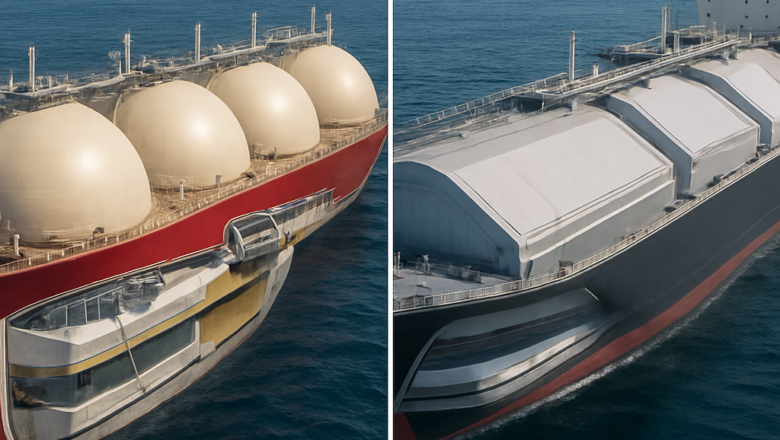
The Evolution of LNG Carrier Designs Few vessels in maritime history have demanded as much ingenuity—or faced as many existential challenges—as the LNG carrier. The story of these ships isn’t just one of steel and engineering; it’s a tale of human persistence, of engineers staring down temperatures colder than the vacuum of space, of shipbuilders wrestling with materials that had never before been pushed to such extremes. To understand how we arrived at today’s floating fortresses of cryogenic technology, we have to go back to an era when the very idea of transporting liquefied natural gas across oceans was considered borderline reckless. The Birth of an Industry: The 1950s and the *Methane Pioneer* It all began in 1959 with a converted World War II cargo ship named the *Methane Pioneer*. ...
Ocean Megastructures: How Offshore Oil Rigs Work

Ocean Megastructures: How Offshore Oil Rigs Work

Insights
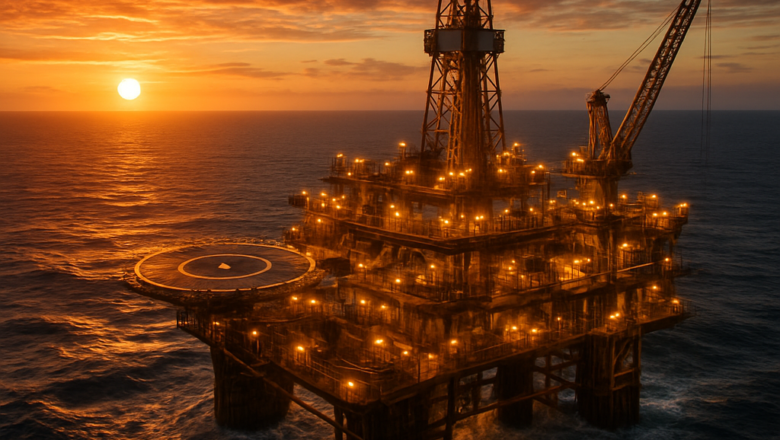
Why Drill for Oil in the Ocean? The ocean isn’t just a vast, empty expanse of water—it’s one of the last great frontiers for energy exploration. Beneath the waves lie some of the planet’s most significant untapped oil reserves, locked away in geological formations that have taken millions of years to form. But why go to the trouble of drilling miles offshore when oil has been extracted from land for over a century? The answer lies in a simple, unavoidable truth: the world’s onshore oil fields are running dry, and the energy demands of a growing global population show no signs of slowing down. The Depletion of Land-Based Oil Fields For decades, the oil industry relied on easily accessible reserves found beneath deserts, forests, and frozen tundras. Fields like Ghawar in Saudi Arabia—the lar...