
Friday, September 18
Shadow

Posts

Seafarer Blogs & Maritime Insights: Your Guide to Life at Sea
Welcome to the seamen.es Article Hub! Discover firsthand seafarer blogs, expert maritime career advice, industry updates, and essential tips for upgrading your qualifications. We bridge the gap between greenhorns and experienced mariners by delivering verified, practical knowledge straight from the fleet. Stay informed, upgrade your skills, and navigate your maritime career with confidence.

The World of Gas Carriers: Shipping Liquefied Gases

The World of Gas Carriers: Shipping Liquefied Gases

Gas Carriers
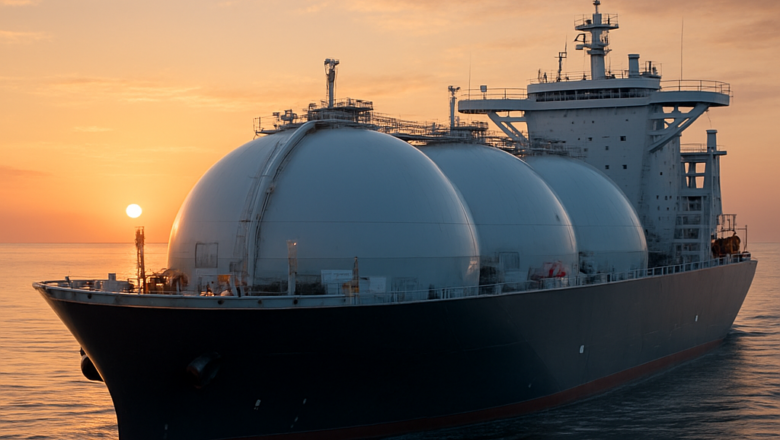
Why Liquefy Gases for Transport? The decision to liquefy gases before loading them onto ships isn’t just a matter of convenience—it’s a game-changer for the entire energy industry. At its core, liquefaction solves one of the most fundamental challenges of gas transport: volume. Gases, by their nature, occupy vast amounts of space at standard temperature and pressure. Take methane, the primary component of natural gas. In its gaseous state, one cubic meter of methane at room temperature and atmospheric pressure would require a container roughly the size of a small car to hold just 0.7 kilograms of the substance. But when cooled to -162°C (-260°F), that same cubic meter of liquefied natural gas (LNG) can hold a staggering 450 kilograms of methane—a volume reduction of about 600 times. For li...
Mastering Bunkering: Calculations, Sampling & Lab Control

Mastering Bunkering: Calculations, Sampling & Lab Control

Insights
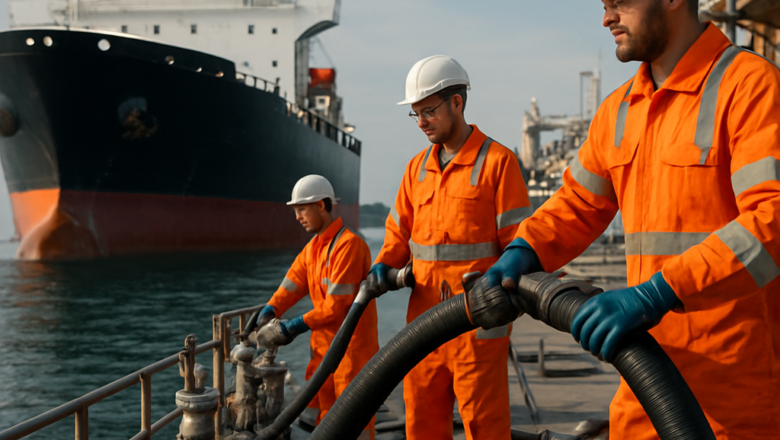
The Fundamentals of Bunker Quantity Calculations Calculating the right amount of bunker fuel isn’t just about filling the tanks and hoping for the best. It’s a precise science—one that balances vessel performance, regulatory compliance, and operational efficiency. Get it wrong, and you’re looking at costly delays, engine wear, or even non-compliance with environmental regulations. Here’s how the process breaks down, step by step, and why every detail matters. The Step-by-Step Process: From Consumption to Confirmation Bunker quantity calculations start long before the fuel hose is connected. The process typically follows this sequence: Determine the Voyage ProfileEvery calculation begins with the basics: where the vessel is going, how far it’s traveling, and what conditions it will face....
Handling Hazardous Cargo: VCM, Butadiene & Ammonia Risks

Handling Hazardous Cargo: VCM, Butadiene & Ammonia Risks

Gas Carriers
VCM: The Silent Carcinogen in Maritime Transport At first glance, vinyl chloride monomer (VCM) is just another chemical in the long list of hazardous cargoes shipped across the world’s oceans. Colorless, with a faintly sweet odor, it doesn’t announce its danger like ammonia’s pungent sting or the visible fumes of benzene. But beneath its unassuming appearance lies one of the most insidious threats in maritime transport—a Group 1 carcinogen, as classified by the International Agency for Research on Cancer (IARC), meaning there is no doubt it causes cancer in humans. For seafarers who handle it, VCM isn’t just a job hazard; it’s a ticking time bomb, one that can detonate without warning in the form of explosions, leaks, or—far worse—slow, irreversible damage to the body. The Chemistry of a K...
Dual-Fuel Engines: The Future of Maritime Power

Dual-Fuel Engines: The Future of Maritime Power

Gas Carriers
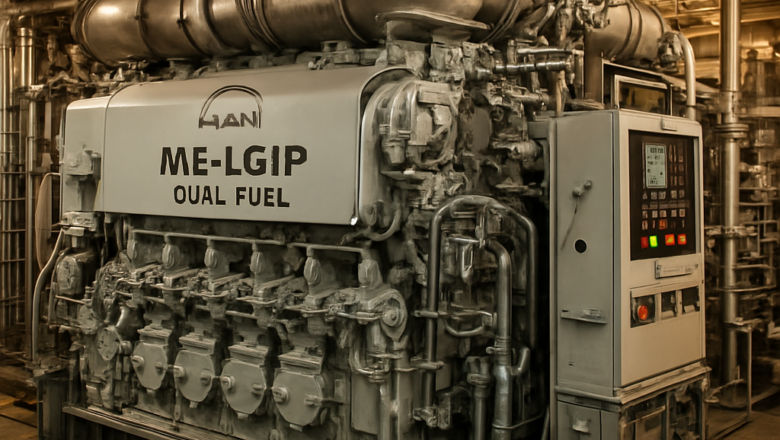
The Rise of Dual-Fuel: Why the Industry Is Switching Let’s be honest—no one in shipping wakes up one morning and decides to overhaul their entire fleet just for fun. The shift to dual-fuel engines, particularly systems like MAN B&W’s ME-LGIP, isn’t a trend. It’s a survival strategy. And if you’re a marine engineer still betting on traditional heavy fuel oil (HFO), you might want to pay attention. The rules of the game have changed, and the industry is moving fast—whether you’re ready or not. So, what’s really driving this push toward dual-fuel? It’s not just one thing. It’s a perfect storm of regulations, economics, and operational necessity. Let’s break it down. The Regulatory Hammer: IMO 2030, 2050, and the Alphabet Soup of Compliance If you’ve been in shipping long enough, you know ...
Beware of Fake Crewing Scams on Telegram & WhatsApp

Beware of Fake Crewing Scams on Telegram & WhatsApp

Gas Carriers
How Scammers Target Seafarers on Messaging Apps For seafarers scrolling through Telegram or WhatsApp after a long shift, an unexpected message from a recruiter can feel like a lifeline—especially when the offer sounds too good to ignore. Fraudsters know this. They’ve turned messaging apps into a hunting ground, exploiting the isolation of life at sea, the desperation for better contracts, and the anonymity these platforms provide. Unlike email scams, which often get buried in spam folders, a direct message on WhatsApp or Telegram feels personal, immediate, and harder to dismiss. And once they’ve got your attention, the psychological manipulation begins. The Initial Contact: Too Good to Be True Most seafarers have been there: a notification pops up from an unknown number, often with a name ...
Permanent Contracts: Pros and Cons of 3/3 & 4/2 Systems

Permanent Contracts: Pros and Cons of 3/3 & 4/2 Systems

Gas Carriers
What Are Permanent Contracts in Shipping? For most of maritime history, seafaring was a job defined by uncertainty. Sailors signed on for a single voyage, a few months at sea, or a fixed-term contract—then returned home with no guarantee of the next paycheck. But in the last decade, a different model has taken root, one that promises something rare in shipping: stability. Permanent contracts, particularly those with structured rotations like 3 months on/3 months off (3/3) or 4 months on/2 months off (4/2), have become a lifeline for seafarers tired of the feast-or-famine cycle. Yet, as with anything in this industry, the reality is more nuanced than the brochure. At its core, a permanent contract in shipping is exactly what it sounds like—an ongoing employment agreement between a seafarer...
LPG Career Start: Old Ships to New Horizons

LPG Career Start: Old Ships to New Horizons

Gas Carriers
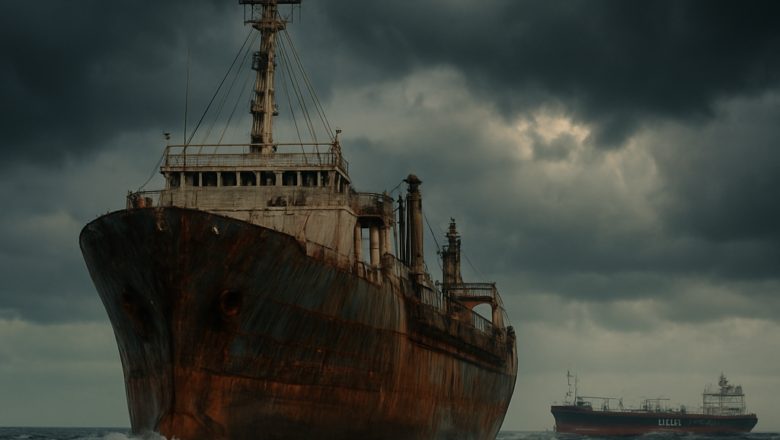
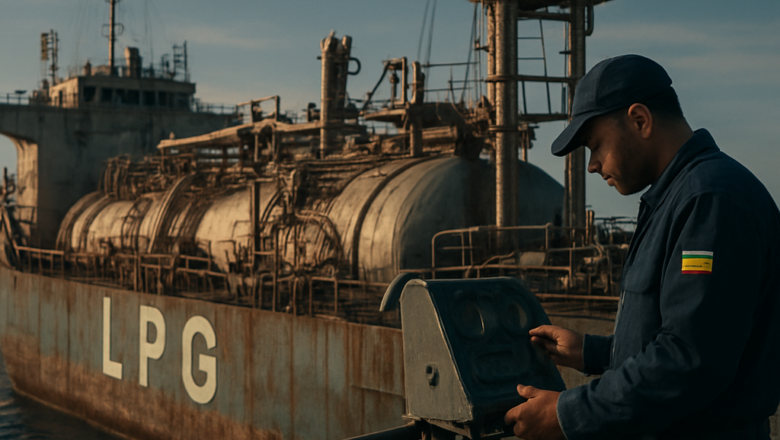
The Reality of ‘Firewood’ Ships In the maritime world, they call them "firewood" for a reason. These aren’t just old ships—they’re floating relics, vessels that have long outlived their prime, kept afloat by sheer stubbornness, duct tape, and the desperation of crews willing to endure almost anything for a shot at a better career. Typically pushing 20 to 30 years—or more—these ships are the maritime equivalent of a rusted-out pickup truck held together by hope and a prayer. And yet, for many seafarers, especially those trying to break into more lucrative sectors like the gas fleet, they’re an unavoidable rite of passage. The moment you step onboard, the reality hits you like the stench of diesel and damp metal. The deck is a patchwork of rust, with paint flaking off in sheets like sunburn...
Naftomar: The Good, the Bad, and the Old-School Gas Fleet

Naftomar: The Good, the Bad, and the Old-School Gas Fleet

Shipping Companies
Why Naftomar? The Perks That Draw Ukrainian Crews For many Ukrainian seafarers, especially those just dipping their toes into the maritime industry, Naftomar has become something of a rite of passage. It’s not the flashiest company in the business, nor does it promise the highest salaries or the newest ships. But for those who’ve worked with them, the appeal often boils down to three key things: reliability, connectivity, and opportunity. These aren’t just bullet points on a recruitment brochure—they’re the reasons crew members keep coming back, contract after contract. The Paycheck You Can Actually Count On Let’s start with the most practical concern: money. In an industry where delayed payments can turn a promising career into a financial nightmare, Naftomar has built a reputation for co...
Starting a Maritime Career: Cadet Programs & Junior Roles

Starting a Maritime Career: Cadet Programs & Junior Roles

Gas Carriers
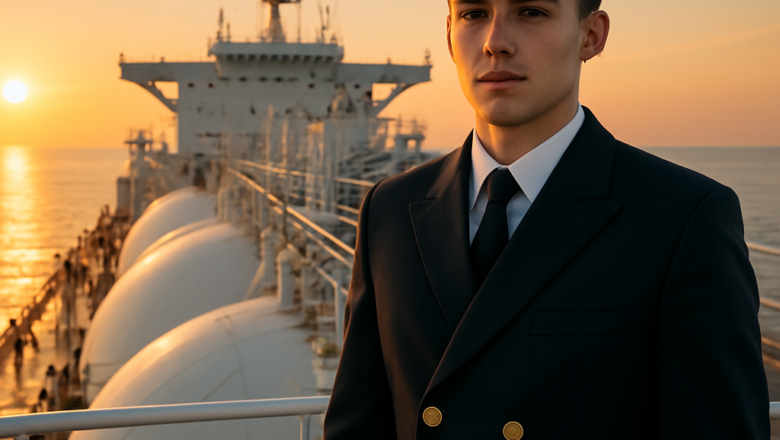
Why Gas Carriers Offer Unique Career Opportunities The maritime industry has always been a cornerstone of global trade, but few sectors within it offer the same blend of stability, innovation, and long-term growth as gas carriers. For young professionals weighing their options—whether to sail on container ships, bulk carriers, or tankers—gas carriers stand out as a compelling choice. And here’s why. The Unshakable Demand: Why Gas Carriers Are Here to Stay Let’s start with the big picture. The world isn’t just moving toward cleaner energy—it’s racing there. Liquefied Natural Gas (LNG) and Liquefied Petroleum Gas (LPG) have become critical players in the global energy transition, bridging the gap between traditional fossil fuels and renewable sources. Unlike oil, which faces volatile price s...
Researching Starlink Onboard: The Maritime Connectivity Revolution and Real Crew Reviews

Researching Starlink Onboard: The Maritime Connectivity Revolution and Real Crew Reviews

Blogs
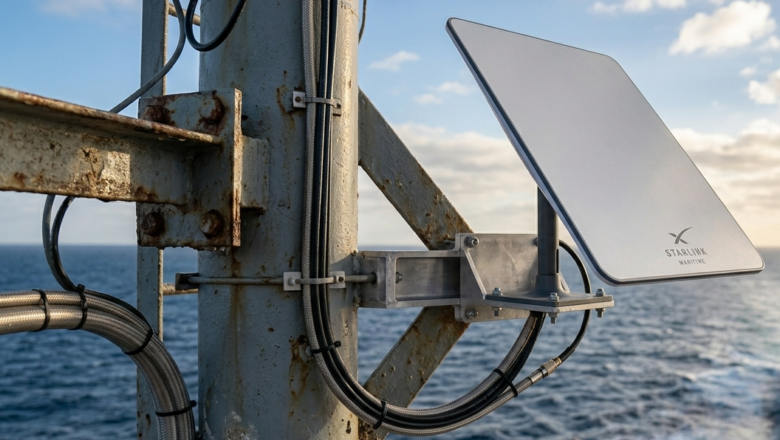
The era when internet access at sea was a slow, overpriced luxury is officially coming to an end. The maritime industry is undergoing a massive digital transformation, and the Starlink Maritime system is firmly leading this process. The shift from traditional geostationary satellites (VSAT) to Low Earth Orbit (LEO) constellations is fundamentally changing the rules of the game, providing ships with high-speed internet that can confidently compete with land-based providers. But is everything as smooth as it seems in practice? Let’s break down the technological advantages and real feedback from seafarers. 🚀 A Technological Breakthrough: What Starlink Maritime Offers Ships The difference in this new technology lies in its technical specifications and adaptation to harsh marin...